Last updated: November 20, 2026
A coated concrete slab can usually be lifted, and a concrete overlay or stamped finish does not automatically stop slab lifting. This article answers Can a Slab Be Lifted If It Has Surface Coatings or Overlays? in practical terms: the answer is usually yes, but the finish, the bond, and the lift method matter. The real question is how the finish was built, how thick it is, and whether the repair can move the slab without tearing the surface apart. This guide sorts that out.
The short answer on coated concrete slabs
Quick answer: in many cases, a coated slab can be lifted with 1 repair plan, but the finish may need touch-up afterward. Picture this: you’re standing in a garage or patio, staring at a sunken slab with epoxy coating, paint, or a stamped overlay on top. You want the slab raised, but you don’t want the finish ruined if it can be saved.
Yes, the slab can often be lifted if it has surface coatings or overlays, but the finish may need repair after the lift. The lift method, the bond of the coating, and the condition of the slab control the result.
The catch is simple. A finish that is only on the surface behaves differently from a bonded overlay that has become part of the slab face. Epoxy coating and painted concrete usually move with the slab well enough, while a thick overlay may crack if the slab lifts unevenly.
Key takeaways
- Epoxy coatings are often easier to keep intact than thick overlays.
- A stamped finish can survive if the lift is even and the surface bond is strong.
- Some concrete overlays crack, debond, or show edge damage during the lift.
- The repair plan should match the finish, not just the slab movement.
- Slab lifting equipment can raise the slab, but it cannot promise a perfect surface.
What kind of finish is on the slab?
Picture this: you’re trying to fix a settled slab, but the top layer is not bare concrete. It may be a thin coat, a decorative layer, or a bonded topping, and each one reacts differently to movement.
A thin epoxy coating or paint film usually follows the slab if the lift is smooth. A bonded concrete overlay can be much more sensitive because it bridges cracks and joints. A stamped finish sits in the middle: it may tolerate lifting, but pattern lines can telegraph damage if the slab flexes.
A better rule is to compare layer thickness and bond strength, not appearance alone. A finish that looks tough may still be fragile if it is only a few millimeters thick. A surface that looks plain may have a hard-bonded topping that behaves like a second slab.
Use this as a practical check before planning the repair:
- Identify whether the surface is a coating, a thin overlay, or a decorative stamped layer.
- Find out if the finish was sprayed, rolled, troweled, or stamped over a fresh topping.
- Look for control joints, saw cuts, or cracks that pass through the finish.
- Note any flaking, hollow spots, or edge lift at the surface.
- Match the slab lifting method to the most brittle layer on top.
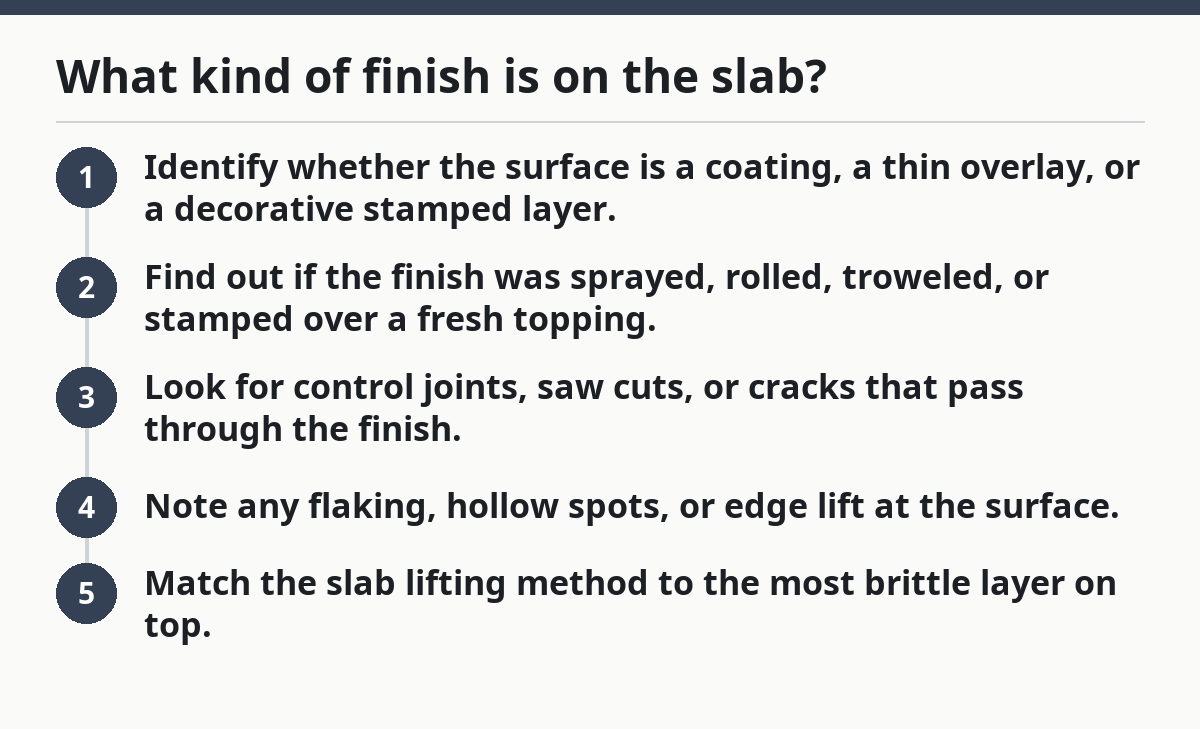
That last point matters. A stable lift is kinder to the finish than a fast one. A slow, even rise of a few millimeters at a time is usually safer than a single hard push from one point.
Will epoxy coating survive slab lifting?
Picture this: you’re dealing with a garage floor that has an epoxy coating and a low spot near one corner. You want the slab raised, but you also want the coating to stay clean and bonded.
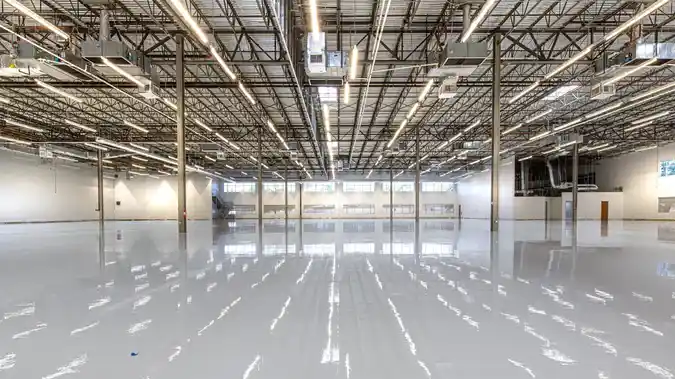
An epoxy coating often survives slab lifting better than a thick decorative topping, because it is usually a thin film rather than a structural layer. If the slab rises evenly, the coating may remain intact, though fine cracking, edge lifting, or sheen changes can still show up where the slab had been stressed.
That said, epoxy is not magic. It can chip at joints, tear at crack repairs, or fail where the substrate was already weak. A coating that was bonded over dust, moisture, or old contamination is more likely to come apart when the slab moves.
The practical rule is this: if the coating is still well bonded and the slab is lifted with controlled, low-disturbance equipment, the odds are better. If the coating is already failing in sheets, lifting the slab can turn a small repair into a bigger one.
What to watch for:
- Hairline cracking at joints and old cracks
- Gloss changes where the slab flexes
- Edge lift near spalls or patched areas
- Small chips around drilled injection points
- Delamination that was already present before the lift
If the coating is thin and the slab is otherwise sound, the surface can sometimes be touched up after the lift. If the coating has poor adhesion across wide areas, lifting may expose the bigger problem instead of solving it.
Can a concrete overlay or stamped finish crack during lifting?
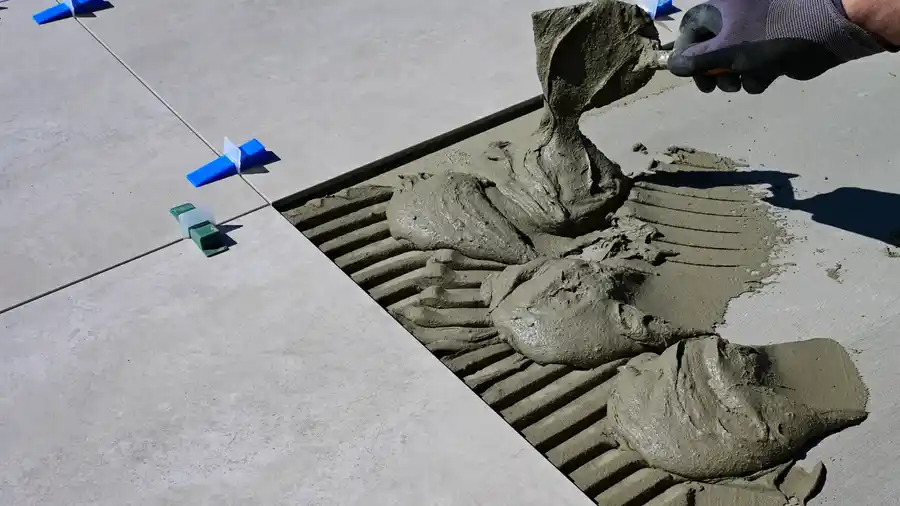
Picture this: you’re looking at a patio or walkway with a concrete overlay and a decorative stamped finish. The slab needs to be raised, but the top layer carries the look you want to keep.
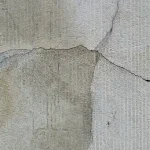
Yes, a concrete overlay or stamped finish can crack during lifting, especially if the slab moves unevenly or the overlay bridges an active crack. Overlays are often more brittle than plain concrete because they are thinner, denser, and more sensitive to differential movement.
Stamped finishes bring their own risk. The texture and pattern can hide small fractures at first, but the damage may show later as chipped ridges, broken stamp lines, or a visible seam where the slab opened during the lift.
The danger is not just the lift itself. It is the way the slab moves. If one edge rises before the rest, the overlay sees tension. If the slab is lifted too fast, the finish can split even when the concrete underneath stays intact.
Common failure points include:
- Pattern joints and stamp lines
- Saw cuts that stop short of the crack
- Areas with thin topping depth
- Old patch material under the overlay
- Edges near steps, drains, or curbs
According to the Portland Cement Association and ACI guidance, those weak spots deserve inspection before any lift; if you are unsure, consult a qualified concrete repair professional. A slower lift helps, but it does not cure a weak overlay. In some cases, the right call is to lift the slab and plan for surface repair afterward. That can mean patching, retexturing, or recoating the top layer after the structural problem is fixed.
How slab lifting equipment changes the result
Picture this: you’re comparing repair options and one contractor talks about slab lifting equipment as if it solves everything. It doesn’t. The tools matter, but the way they are used matters more.
Slab lifting equipment can be gentle or aggressive depending on the method. A controlled polyurethane injection system can raise a slab in small increments, while a poorly managed lift can create pressure points that crack the finish. The same slab may come through one repair with minor cosmetic touch-up and another with obvious surface damage.
That is why the finish type should guide the setup. A thin coating often tolerates a steadier lift, while a decorative overlay needs more caution around joints and weak spots. The repair crew should know where the surface is likely to fail before the lifting starts.
Use this checklist before the first hole is drilled:
- Mark visible cracks, joints, and patched areas.
- Ask how the lift will be staged across the slab.
- Confirm whether the finish will be monitored for movement.
- Ask what will happen if one corner starts to rise faster.
- Plan for surface repair, not just height correction.
If the slab has a stamped or coated finish, the goal is not only to restore level. The goal is to raise it without creating new defects that will be harder to hide later. That takes patience, not force.
What should be repaired differently after the lift?
Picture this: the slab is back near grade, but the finish now has a few cracks, chips, or dull spots. You still have a usable surface, but the repair is not finished yet.
Yes, coated slabs should often be repaired differently after lifting because the top layer is part of the final outcome, not an afterthought. An epoxy coating may need spot prep and recoating. A concrete overlay may need patching or a new wear layer. A stamped finish may need texture work so the repair does not look like a bright scar.
The first step is to separate structural repair from cosmetic repair. The slab can be level even if the finish is not. That means the surface work should match the original material, not just cover the damage with a generic patch.
A simple repair sequence often looks like this:
- Clean the surface so dust and loose fragments are gone.
- Open and fill cracks that were created or widened during lifting.
- Grind sharp edges or raised ridges that would show through the finish.
- Repair chips at the coating or overlay edges with a matching material.
- Recoat, resurface, or texture-match the area so the fix blends in.
For epoxy-coated floors, the weak point is usually the transition area around the lift points and crack lines. For overlays, the weak point is often the thin edge where the topping was stretched. For stamped surfaces, the hard part is matching the pattern well enough that the repair doesn’t shout at you from across the room.
The best part is that fixing the surface after the lift is normal. A clean structural lift with planned cosmetic repair is better than protecting a weak finish so hard that the slab never gets corrected.
When lifting a coated slab is the wrong move
Picture this: you’re hoping to save a decorative floor, but the finish is already failing in wide sheets or the overlay is soundly bonded to a badly broken base. At that point, lifting may not protect the surface.
Sometimes the wrong move is to treat the finish as the main asset. If the coating is loose, the overlay is hollow, or the stamped layer is already fractured across large areas, lifting can make the damage more visible and more expensive to fix. In that case, the finish itself may need replacement after the slab is corrected.
This is the part most generic guides skip. Not every coated slab deserves the same treatment. A garage floor with thin epoxy is a different job from a patio with a 1/2-inch decorative overlay and tight pattern lines. The first may need a light touch. The second may need a plan for rework from the start.
A safer approach is to treat the finish as a limit, not just a feature. If the overlay is fragile, the repair plan should assume some surface damage and budget for it in the schedule. If the coating is sound, the lift can often stay mostly cosmetic.
For a broader look at repair choices, the hub guide on concrete slab lifting methods and applications covers the main methods and where each one fits. This page stays on the finish question, because that is where the real compatibility issue lives.
Can coatings make lifting harder?
Yes, coatings can make lifting harder when they are brittle, poorly bonded, or already cracked. A thin epoxy film is usually easier to live with than a thick overlay, but any finish can split if the slab moves unevenly.
The coating also makes inspection harder because small failures can hide under shine or texture. That is why the lift should be slow and the surface checked at joints, cracks, and edges as the slab rises.
Can an overlay crack during leveling?
Yes, an overlay can crack during leveling if it bridges movement or if the slab rises unevenly. Thin toppings and stamped surfaces are the most likely to show damage first, especially near control joints and old cracks.
That risk does not always mean the lift should stop. It means the finish needs to be treated as part of the repair, with patching or resurfacing planned after the slab is level.
Should coated slabs be repaired differently?
Yes, coated slabs should often be repaired differently because the surface finish needs its own repair path. Epoxy coating, painted concrete, and concrete overlay all react differently to patching, grinding, and recoating.
A coated slab usually needs finish-specific prep after lifting so the repair does not stand out. That may mean spot coating, overlay patching, or texture matching instead of a one-size-fits-all filler.
Drafted with AI; not yet reviewed by a person.