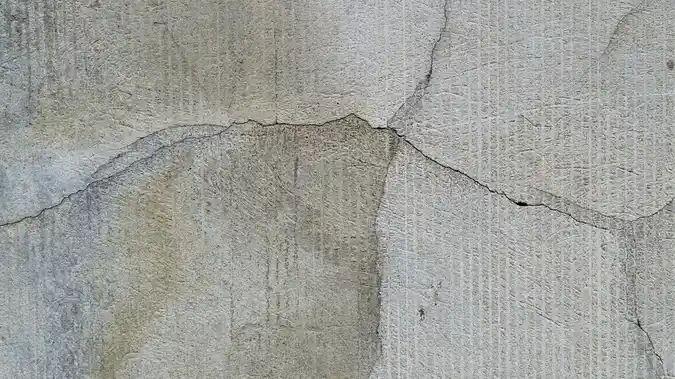
Last updated: November 20, 2026
Quick Answer: in slab lifting problem spotting and diagnosis, a 1/8-inch step or more, a new tilt, or a door that suddenly sticks are enough to justify closer measurement, and if the slab is still changing, get a qualified foundation or structural professional involved before any fix. Slab lifting problem spotting and diagnosis usually starts with cracks, tilting, voids, or doors that stick, and the first check is whether the movement is active or old. The steps below will help you sort surface symptoms from real support failure in the topic Slab lifting problem spotting and diagnosis — The Complete Guide.
A concrete slab that has heaved, settled, or broken can look minor at first and still point to soil movement, water problems, or pipe leaks. Speak to a qualified professional about your own situation if the slab supports occupied space, plumbing, stairs, or load-bearing walls.
Key Takeaways
- Slab lifting is usually a symptom, not the whole problem.
- The first job is to tell level change from crack cosmetics.
- Active movement, new gaps, or jammed openings mean the issue is still live.
- Water, soil expansion, washout, and voids are the usual suspects.
- A good diagnosis uses measurements, not guesses.
- Cosmetic patching on a moving slab often fails fast.
- Some situations need a structural pro before any repair work starts.
What slab lifting usually means
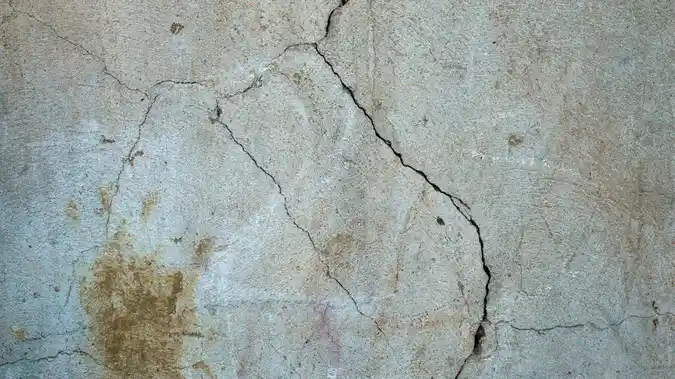
Slab lifting usually means part of a concrete slab has moved up, down, or both, and the support under it is no longer even. The movement can come from expansive soil, erosion, poor compaction, frost, tree roots, plumbing leaks, or a previous repair that did not match the cause.
Picture this: you’re staring at one corner of a garage floor that sits 5/8 inch higher than the rest, and the door now rubs the jamb. That bump is the clue, not the diagnosis.
Common field terms matter here:
- Heave means upward movement, often from swelling soil or freezing.
- Settlement means downward movement from loss of support.
- Void means an empty space under the slab.
- Differential movement means one part moves more than another.
The real question is not “Is the slab lifted?” It’s “What changed under it?” A slab can be cracked, tilted, or offset and still be structurally stable; it can also look modestly wrong while hiding a larger support problem. That’s why diagnosis starts with pattern, not patch.
A useful outside reference is the Portland Cement Association on concrete cracking and slab behavior, and USGS material on expansive soils and ground movement. Those sources explain the mechanics that make a slab move.
How do you tell slab lifting from normal cracking?
You tell slab lifting from normal cracking by checking for height change, slope, and door or trim problems, not by staring at the crack alone. A hairline crack with no step is a different problem from a crack with one side raised 1/4 inch or more.
Picture this: you’re kneeling by a hallway crack and can slide a coin across a small lip on one side. The lip is the story. The crack is just where the story showed up.
Use these signs together:
- Step at the crack: one side sits higher or lower.
- Pitch change: a level or laser shows the floor no longer slopes the way it should.
- Sticky openings: doors, cabinets, baseboards, or garage panels bind after a period of normal operation.
- New gaps: caulk pulls away, trim separates, or a slab edge pulls off a wall.
- Repeated repair failure: the same crack opens after patching.
A crack can also be cosmetic. Shrinkage cracks often form as concrete cures and drys out, usually in a random, thin pattern. They do not always mean the slab is moving now. A lifting slab usually shows a pattern that matches support loss or soil pressure, not random surface checking.
A 4-foot level or a laser level can help show whether the floor is out of plane, although either tool should be read as part of a larger diagnosis. If you can map a change across several feet, you have more than a surface blemish. That does not name the cause yet, but it tells you the slab is out of plane.
What the pattern of damage is telling you
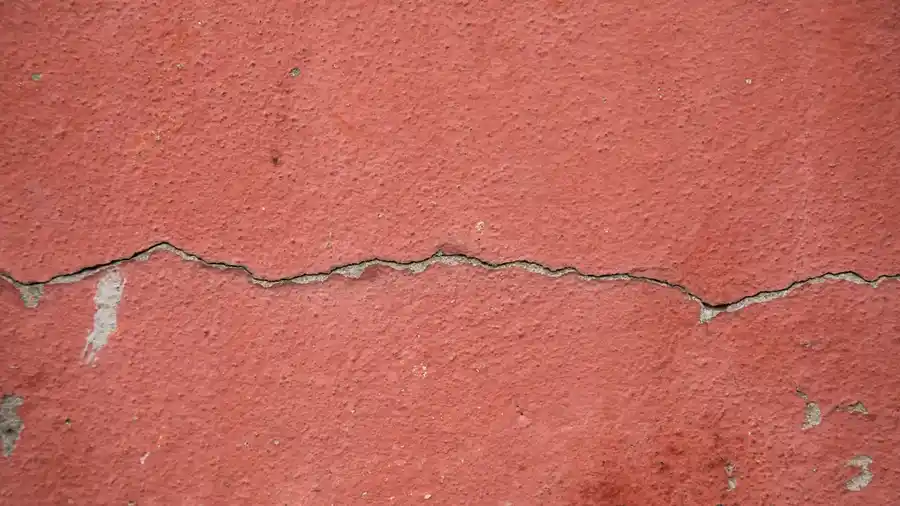
The pattern of damage usually points to either soil pushing up, support dropping out, or water changing the ground beneath the slab. The shape of the movement matters more than the size alone.
Picture this: you’re in a basement or garage and the slab is higher near the wall but lower in the center. That bowl or ridge pattern can hint at different ground forces than a single isolated corner lift.
A few patterns are especially useful:
- Perimeter lift: often seen near edges, where moisture changes, roots, or frost can affect the soil.
- Center hump: can point to swelling soil, backfill issues, or pressure from below.
- Localized bump near plumbing: raises suspicion for a leak, washout, or old repair.
- Crack with vertical offset: suggests movement across the slab, not just surface shrinkage.
- Wide gap at one side of a room: may reflect differential settlement at a beam, footing, or changed support line.
The floor’s pattern can also line up with site clues. Downspouts dumping near the slab, standing water after rain, a leaking water heater, or a tree close to the edge all matter. So do older repairs with no record of what was under the slab. A patch can hide a problem for years, then fail when the soil changes again.
If the pattern is progressive — more tilt this month than last month — treat it as active movement until proven otherwise, and consult a qualified foundation or structural professional. Active movement is what separates a simple maintenance job from a structural problem.
How to diagnose a lifting slab step by step
You diagnose a lifting slab by measuring the movement, checking for moisture sources, and tracing the damage to a likely cause before any repair is planned, and a qualified professional can help if the pattern is unclear or active. Start small, work outward, and stop if the pattern suggests ongoing structural change.
Picture this: you’re standing in a room with a level, a notebook, and a flashlight, trying to figure out if the floor is crooked or if the whole slab is moving. The job is to turn “looks wrong” into “moves here, by this much, for this reason.”
- Mark the affected area. Put painter’s tape at both sides of each crack, lip, or high spot, and note the date. Verify the exact location and length of the damage. A problem shows up if the tape line keeps shifting or if the crack extends beyond the marked zone.
- Measure the height difference. Use a 4-foot level, laser level, or straightedge to check the slab across the damaged area. Verify the amount of offset at the crack and the slope across the room. A problem shows up if the difference is consistent over several checks or grows over days or weeks.
- Check doors, trim, and gaps. Open and close nearby doors, inspect baseboards, and look for fresh separation at wall joints. Verify whether the movement affects more than one fixture. A problem shows up if multiple openings bind or if gaps are widening at the same time as the floor change.
- Look for water paths. Inspect gutters, downspouts, hose bibs, irrigation heads, drains, and plumbing fixtures near the slab. Verify whether water is pooling beside the foundation or under the floor. A problem shows up if the same area gets wet after rain, or if indoor moisture appears without a clear surface source.
- Search for leak clues. Look for warm spots, damp carpet edges, water meter movement, musty odors, or staining near plumbing runs. Verify whether the signs line up with a pipe route. A problem shows up if the pattern follows a plumbing line or if the meter moves when no fixtures are running.
- Check soil and edge conditions. Look at exterior grade, tree roots, fill soil, and eroded edges beside the slab. Verify whether the slab edge has lost support or been exposed. A problem shows up if soil has pulled away, washed out, or swollen at the perimeter.
- Compare the damage to the structure above it. See whether the affected slab supports a wall, post, stair, or cabinet run. Verify if the load-bearing element sits on the moving section. A problem shows up if the lifted area carries a wall or other heavy load, because the risk is no longer just a floor issue.
- Check whether the movement is active. Re-measure after several days, or after a rain event if safe to do so. Verify whether the numbers stayed the same. A problem shows up if the slab keeps moving, which points to an unresolved cause rather than an old defect.
The truth is, a good diagnosis is mostly subtraction. If there is no water source, no load above, and no change over time, the cause may be old and stable. If the numbers move after rain or use, the floor is still telling you a live problem exists.
A note on tools: a simple 1/8-inch feeler or a coin can help spot a step, but a level is better for actual diagnosis. If you are seeing a repeated change of 1/4 inch or more across a small span, that is not just cosmetic.
What causes a slab to lift?
A slab lifts when the ground under it changes volume, shifts, or loses balance, and the concrete reacts to that support change. The concrete itself is usually not the first cause.
Picture this: you’re looking at a garage slab that lifted near one wall after a wet season. The slab did not decide to move; the soil under it changed shape.
The common causes are:
- Expansive clay soil: wet clay swells and can push upward.
- Frost heave: frozen water in soil expands and lifts shallow slabs.
- Plumbing leaks: water can soften soil, move fines, and change support.
- Poor compaction: fill soil settles unevenly, then the slab follows.
- Erosion or washout: water carries soil away from under the slab.
- Tree roots or organic decay: roots can press or drying soil can shrink and rebound.
One way to think about it is this: heave is a push, settlement is a drop, and voids create a drop first, then a break. A slab can show both at once if one side rises while the other side loses support.
Climate matters too. A shallow slab in a freeze-thaw area behaves differently from an interior slab in a warm region. So does a slab on fill, on clay, or over plumbing. The same crack can come from very different causes.
If the slab is near a drain line, the diagnosis gets harder because the pipe may be both the route and the cause. That is where a professional inspection with moisture testing or a drain camera may be appropriate.
When should you stop and get help?
You should stop the DIY diagnosis when the slab is still moving, supports a structural load, or shows signs of a leak or washout. That is the point where the problem can exceed a simple floor repair.
Picture this: you’re ready to fill a crack with caulk, but the floor has a new ridge and the closet door won’t close. That is not a patch-first problem.
New or widening vertical offset: one side is clearly higher or lower than the other, and the gap is changing — stop and get a structural or foundation evaluation.
Suspected plumbing leak: moisture, meter movement, or stain patterns line up with a pipe route — stop and bring in the right trade before sealing anything.
Slab supports a wall or column: the lifted area carries load, so movement can affect the structure above — stop and get qualified help.
Cracks across multiple rooms: the damage is not isolated, which suggests broader movement — stop and inspect the whole system, not just one crack.
Recent flood, washout, or sinkhole signs: soil loss can create hidden voids and sudden failure — stop and keep people off the area until it is assessed.
Repeated failure after prior repair: the same area reopened after patching or lifting work — stop, because the cause was not fixed.
The consequence of pushing ahead here is simple: you can hide the symptom while the support problem gets worse. That can turn a repairable issue into a larger structural job. If a utility line, drain, or gas line may be involved, do not keep guessing.
A qualified foundation contractor, structural engineer, or plumbing specialist may be needed depending on the clue set. The right person depends on whether the evidence points to soil, structure, or water.
Common diagnosis mistakes that cost time and money
The most common mistake is treating every crack as the problem instead of the movement underneath it. That leads to patches that fail, repeat calls, and a lost trail of evidence.
Picture this: you’re told to fill the crack with epoxy, but no one checked the slope, the moisture, or the door alignment. The floor may look better for a week and still be failing underneath.
Here are the errors I see most often:
- Patching before measuring. The consequence is that you erase the clue. The better move is to record slope, offset, and crack width first.
- Ignoring the exterior. Downspouts, grading, and standing water often drive slab issues. Check the site before you blame the concrete.
- Assuming all lift is the same. Heave, settlement, and voids need different responses. Use the pattern to narrow the cause.
- Chasing the crack only. A crack can be the symptom while the real issue sits 10 feet away at a drain, gutter, or leak. Trace the damage outward.
- Using cosmetic fixes on active movement. Sealant, patch mortar, or paint may hide the line but won’t stop changing support. Verify stability first.
- Failing to re-check. One reading is a snapshot, not a trend. Re-measure after a few days or after rain if the situation is safe to observe.
A good habit is to write the date, the room, the measurement, and the weather. That costs nothing and helps separate old damage from active movement. If you cannot tell whether the floor is still changing, treat it as unresolved.
What if the slab is old, patched, or only slightly out of level?
An old, patched, or slightly out-of-level slab may not need urgent action if the movement is stable and the structure above it is not affected. The key is whether the condition is active, not whether it looks perfect.
Picture this: you’re in an older home with a floor that slopes 1/2 inch over a long run, but nothing has changed for years. That may be a known condition, not a fresh failure.
Edge cases change the reading:
- Old repairs: A prior patch can hide the original crack line. Look for fresh dust, new lip edges, or cracks beside the repair.
- Large slabs: Big garage or commercial slabs can have joints and construction seams that look like damage. Compare the line to known joints before you call it a failure.
- Finished floors: Tile, vinyl, or hardwood may show movement before the concrete does. Inspect the underlying slab if the finish has lifted or separated.
- Slabs on fill: A slab placed over compacted fill can settle unevenly long after construction. That does not make it harmless; it just changes the timeline.
- Seasonal movement: Some soil conditions move with wet and dry cycles. A wet-season bump that relaxes later can point to moisture-driven movement.
The practical test is simple: does the slab show a consistent number, or is it changing with weather, use, or time? A stable, old offset is a condition to monitor. A changing offset is a live problem.
If you are unsure, a homeowner-level check is to repeat the same measurements at the same spots after a week or after major weather. Two readings are not a full engineering study, but they do tell you whether the floor is still in motion.
What a good diagnosis looks like
A good diagnosis ends with a likely cause, a map of the affected area, and a clear line between cosmetic damage and structural movement. It does not end with “the crack is sealed.”
Picture this: you’ve measured the floor, checked the water, found the affected zone, and can say whether the change is old or active. That is useful information, even before any repair starts.
A solid diagnosis usually includes:
- Location: which room, edge, wall, or joint is affected.
- Magnitude: how much height change or slope is present.
- Pattern: whether the damage is isolated, linear, or broad.
- Source clues: moisture, plumbing, grading, roots, or soil type.
- Trend: stable or still changing.
If the evidence points to support loss, the next step is not a cosmetic fix. It is deciding whether the right response is drainage correction, leak repair, structural review, or a slab repair method suited to the cause. Polyurethane foam injection, grout, piers, or replacement are different tools for different problems, and the wrong one can waste money.
The best result is not a perfect-looking floor. It is a floor that stops changing for the right reason.
What should you ask before any repair starts?
You should ask what caused the movement, whether it is still active, and whether the slab carries load or hides a leak. Those three questions decide the path forward far more than the crack width alone.
Picture this: you’re about to call for repair bids, and every contractor wants to sell a different fix. The job before the job is choosing the right diagnosis question.
Ask these:
- Is the movement active now, or is it old and stable?
- Is there a water source, drainage issue, or plumbing leak?
- Does the slab support a wall, post, stair, or heavy fixture?
- Is the damage isolated, or does it connect to other rooms or exterior grade?
- What evidence would change the recommendation?
A repair quote without the cause is just a price on a guess. That’s especially true on slabs, where water and soil conditions can fool the eye. If the person inspecting the slab cannot explain the mechanism in plain language, the diagnosis is probably incomplete.
What are the most common questions about slab lifting?
How do I know if my slab is still moving?
A slab is still moving if repeated measurements show a change in height, slope, or crack width over time. Recheck the same spots after several days, or after rain if safe, and compare the numbers. One reading only tells you where things stood that day.
Can a slab lift without a crack?
Yes, a slab can lift before it cracks, especially if soil swelling or frost is pushing it upward evenly. You may first notice doors sticking, trim gaps, or a floor that no longer feels flat. Cracks often come later when the concrete can’t flex any more.
Is a small lift always serious?
No, a small lift is not always an emergency, but it should still be measured and traced to a cause. A 1/8-inch lip at one crack may be minor if it is stable, while the same amount growing month to month is a different story. Trend matters.
Should I seal the crack first?
No, not before you know why the slab moved. Sealing first can hide the crack pattern and make later diagnosis harder. If the movement is active, the seal often fails again because the cause is still there.
Who should look at it first?
The first person depends on the clue set: a plumber if the signs track a pipe, a foundation or structural professional if the slab is still changing, and a drainage or grading expert if the exterior water pattern is poor. If the slab supports a wall or column, start with a structural review.
Drafted with AI; not yet reviewed by a person.