Signs, Safety, and Urgency of Slab Problems — The Complete Guide

Last updated: November 05, 2026
Quick Answer: In the Complete Guide to Signs, safety, and urgency of slab problems — The Complete Guide, a crack with offset, water, or a changing floor should be inspected now; a stable hairline crack can sometimes be monitored.
Key Takeaways
- A slab problem means the slab is no longer level, dry, or supportive in the way it should be.
- Early signs usually include cracks, floor changes, and doors or trim that stop behaving normally.
- It is structural when slab movement starts distorting the building, not just the concrete surface.
- It is urgent when safety, water intrusion, or active movement is involved.
A slab problem is urgent when the concrete is moving, not just cracking. Small hairline cracks can be cosmetic; widening cracks, uneven floors, sticking doors, or water coming through the slab mean the foundation, drainage, or plumbing needs attention now. In this guide to Signs, safety, and urgency of slab problems — The Complete Guide, the key is to separate harmless surface cracking from movement that changes the building. According to the American Concrete Institute, crack type and progression matter more than crack presence alone.
I write about foundation movement, concrete failure, and moisture damage because the difference between a nuisance crack and a structural warning matters to homeowners, buyers, and property managers. That matters even more when the slab has already shown movement over time, because recurring symptoms usually point to an active cause.
What a slab problem actually is
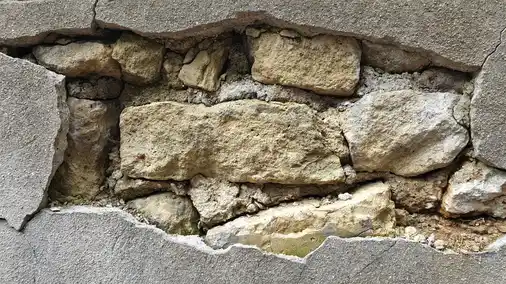
A slab problem is any condition where the concrete slab-on-grade no longer sits where it should, stays dry where it should, or supports the building evenly. That includes settlement, heave, differential movement, cracking, voids under the slab, and slab leaks from plumbing lines embedded in or below the concrete.
The phrase gets used loosely, which causes bad decisions. A 1/16-inch surface crack from shrinkage is not the same thing as a floor that has dropped near one corner of the house. One is common in concrete. The other can point to soil consolidation, washout, or a broken pipe under pressure.
The distinction matters because slab repairs range from monitoring to injection to drainage correction to plumbing replacement to full structural remediation. Those are not interchangeable. A cosmetic crack filler will not solve ongoing settlement. Mudjacking will not fix a leaking line. A plumber will not correct expansive soil pushing the slab upward.
There are three broad causes behind most slab trouble:
- Soil movement, including poorly compacted fill, expansive clay, erosion, or drought-related shrink/swell.
- Water problems, including bad grading, missing gutters, clogged drains, or plumbing leaks.
- Structural loading, where the slab or the soil beneath it was not designed for the actual load.
If the slab is in a house built on slab-on-grade construction, the risks are not just to the concrete. They reach trim, framing, flooring, doors, windows, cabinets, and sometimes gas or water lines. That is why slab trouble is not a “watch it for a year” issue when symptoms are progressing.
What are the first signs of slab problems?
The first signs are usually cracks, floor changes, and doors or trim that stop behaving normally. A slab rarely fails all at once; it usually leaves a trail.
The most common early signs are these:
- Cracks wider than a hairline, especially if they are widening, offsetting, or running across rooms rather than just at random.
- Uneven or sloping floors, where a rolling ball, marble, or level reading shows movement.
- Doors that rub or won’t latch, especially interior doors that used to work fine.
- Gaps at baseboards, crown molding, or window trim.
- Tile cracks or grout lines that keep reopening.
- Separations where walls meet ceilings or floors.
- Moisture, musty odor, or damp carpet over a slab.
- Warm spots on the floor that can indicate a hot-water line leak.
- Sounds of running water when fixtures are off.
A single symptom does not prove a slab issue. A sticking door can come from humidity. A crack in tile can come from bad thinset or missing movement joints. But several symptoms together, especially if they appear on one side of the house or worsen after rain, deserve prompt inspection.
The shape of the crack matters too. Vertical cracks through a slab may be less alarming than horizontal displacement or one side of the crack higher than the other. That offset, called differential movement, is often more useful than crack width alone. A crack that is 1/8 inch wide but stable may be less urgent than a narrower crack that is actively stepping or separating at the edges.
If a home has a slab foundation and the same symptoms show up in more than one room, the issue is usually bigger than surface shrinkage. That is the point where a foundation contractor, structural engineer, or qualified plumber should enter the picture depending on the pattern.
Signs that the problem is structural, not cosmetic
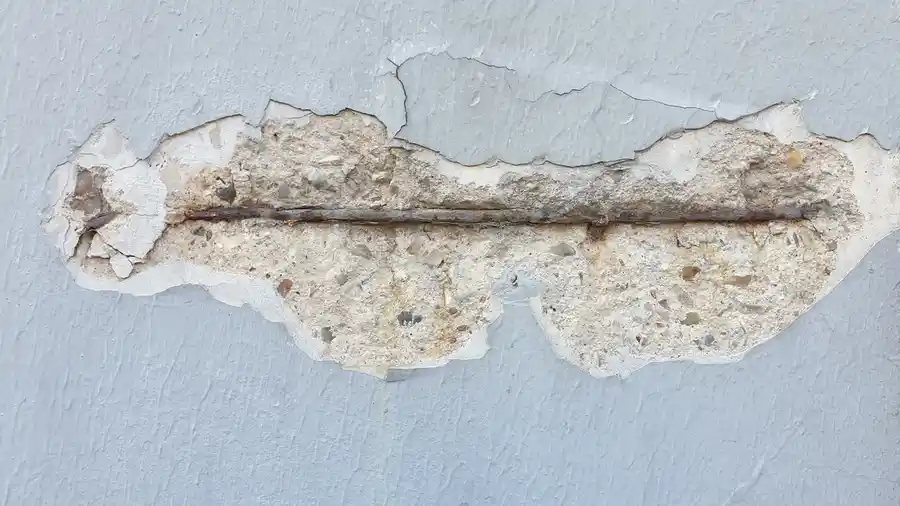
The problem is structural when the slab is moving enough to distort the building, not just the concrete surface. That usually means uneven settlement, heave, or repeated movement after repairs.
A few signs push the issue from “cosmetic” to “structural”:
- A floor slope you can feel underfoot or measure with a level over several feet.
- Multiple cracks that line up with one another across rooms or walls.
- Cracks with vertical displacement, where one side is higher than the other.
- Interior walls separating from the slab or ceiling.
- Cabinets pulling away from walls or countertops cracking near the same area.
- Repeated repairs that fail within months.
- Cracks that grow after heavy rain or during drought cycles.
If the slab is heaving, the pattern often appears differently. Doors may bind on one side of the house while trim gaps show on the opposite side. Floors may arch upward in a middle span. In expansive clay areas, the slab can rise with moisture changes and drop as the soil dries, which makes the building cycle through damage.
A generic article often gets this wrong by treating every crack as a “foundation crack.” That is sloppy. Some cracks are in the slab only. Some are in the foundation system. Some are from settlement at the perimeter. Some are from plumbing leakage under the slab. The right diagnosis changes the repair, so it is wise to consult a professional when the pattern is unclear.
A structural problem is also more likely when the home is on fill soil, near large trees, on a slope, or built where drainage moves toward the slab. Those conditions make settlement and moisture change more likely. If the building has already had pier work, slab jacking, or drainage corrections, recurring symptoms are a warning that the first fix may have missed the cause.
For serious movement, a structural engineer is the cleanest next step because the engineer’s job is diagnosis, not sales. A contractor may be right too, but the contractor often has a repair to sell. That is a real trade-off, not a criticism.
How urgent is a slab problem?
The problem is urgent the moment it threatens safety, water intrusion, or ongoing movement. Some slab issues are “schedule an inspection this week.” Others are “stop using that area and call now.”
Treat it as urgent today if any of these are happening:
- You smell gas near a slab and suspect a gas line disturbance.
- A slab crack is paired with active water intrusion, standing water, or a plumbing leak.
- A floor feels suddenly soft, bouncy, or sharply uneven.
- A door or window has become jammed after a recent event such as heavy rain, excavation, or a leak.
- A crack opened quickly and is now visibly changing.
- You hear hissing or running water beneath the slab.
- A section of floor has dropped enough to create a trip hazard.
Treat it as urgent this week if the home shows repeating movement, fresh cracking, offset cracks, or moisture patterns that point to soil or plumbing issues. The reason is simple: the longer the cause stays active, the more secondary damage accumulates. Cabinets rack. Tile cracks spread. Flooring buckles. Drywall tears. Repairs become more expensive because the building has kept moving.
Treat it as monitorable for the moment only if the crack is hairline, dry, not growing, and not associated with slope, displacement, or door/trim problems. Even then, it should be documented. Photograph it, measure it, and recheck it after heavy rain and seasonal change. If uncertainty remains, it is sensible to consult a professional and compare the observations with published crack guidance from the American Concrete Institute.
One useful standard from the American Concrete Institute is ACI 224R, which discusses crack types and the need to distinguish harmless shrinkage cracking from movement-related cracking. ACI’s guidance is not a homeowner checklist, but it does reinforce the same core point: the pattern and progression matter more than the fact that a crack exists.
For water-related concerns, the U.S. Environmental Protection Agency’s guidance on water leaks and indoor moisture is worth reading: https://www.epa.gov/watersense/fix-leak-week. That page is about household leaks broadly, not slab leaks specifically, but the principle is the same — hidden leaks do damage fast.
Can you live with it for now, or do you need to move fast?
You can live with a minor, stable crack for now, but you should not ignore anything that is growing, offsetting, wet, or tied to a plumbing symptom. That is the clean dividing line.
A homeowner can usually wait when all of these are true:
- The crack is thin and not widening.
- There is no height difference across the crack.
- Floors feel level enough for normal use.
- No doors, windows, or cabinets have shifted.
- There is no dampness, mold smell, or hot spot.
- The issue stays stable through rain and dry weather.
That does not mean “forget it.” It means document and monitor. If the same crack changes after rain or a dry spell, the situation is no longer just cosmetic, and it is wise to consult a professional.
Move fast when one or more of these is true:
- The crack is wider than it was last month.
- One side of the slab is lower or higher than the other.
- Moisture is present.
- Plumbing fixtures, water pressure, or utility bills suggest a hidden leak.
- There is a known drainage problem outside.
- The house sits on expansive clay, fill, or poorly drained soil.
A lot of readers want a yes-or-no answer here, and the right answer is: if the symptom is only in the concrete skin, you have time; if the symptom affects level, moisture, or structure, you do not. That is the difference that matters.
There is also a practical reason not to delay. Many slab repairs are easier before the movement damages finishes. Replacing one cracked tile or correcting drainage is cheaper than replacing a floor system after repeated water or settlement.
If the home is for sale or under contract, the urgency increases. Buyers care about the cause, not just the crack. A clean report from a structural engineer or plumber can keep a deal alive; a vague “it’s probably fine” usually does the opposite.
What usually causes slab trouble in the first place?
The cause is usually water, soil, or both. Concrete is strong in compression, but the slab is only as stable as the ground beneath it.
The common causes are:
- Expansive soil that swells when wet and shrinks when dry.
- Poor compaction under the slab at original construction.
- Erosion or washout from surface drainage or underground leaks.
- Plumbing leaks from supply lines, drain lines, or sewer lines.
- Tree roots and root-zone moisture changes near the slab.
- Poor site drainage, such as downspouts dumping near the foundation.
- Old repairs that treated the symptom, not the cause.
Expansive soil is a major issue in many regions because the slab can move repeatedly with the seasons. A house may look fine for years, then show damage after a particularly wet spring or a long dry spell. That pattern often fools people into thinking the slab “suddenly failed.” The more accurate view is that the soil finally moved enough to show the weak point.
Plumbing leaks deserve special caution because they can mimic foundation failure. A hot-water leak may leave a warm area on the floor. A drain leak may produce odor, soft flooring, or unexplained moisture. A water service leak may slowly erode soil and create settlement without obvious surface water. In those cases, a foundation repair without a plumbing diagnosis can miss the true cause.
A lot of generic advice says, “Patch the crack and move on.” That advice is wrong when the driver is still active. A patch can hide the evidence while the slab keeps moving under it.
The honest comparison: cosmetic crack, drainage issue, or true foundation repair
The right fix depends on which problem is actually present. Cosmetic cracking, water-management failures, and structural slab movement are different jobs, and each one has a different owner.
| Criteria | Cosmetic crack repair | Drainage or plumbing correction | Winner for this condition |
|---|---|---|---|
| What it fixes | Surface appearance and minor sealing | The source of moisture or washout | Drainage or plumbing correction when water is present |
| Best use case | Stable, dry, hairline cracking | Wet slab, leak smell, repeated moisture marks | Depends on moisture source |
| Risk if chosen alone | Can hide a developing movement issue | Can miss structural settlement already underway | Structural repair when movement is active |
| Typical clue | No slope, no offset, no growth | Dampness, hot spots, running-water sounds, runoff issues | Correction of cause, not just the crack |
| Inspection priority | Low to moderate | High if moisture is active | Drainage or plumbing correction |
| Long-term value | Mostly cosmetic | Protects slab and finishes from further damage | Drainage or plumbing correction |
| Who should choose it | Homeowners with stable, shallow cracking | Anyone with water symptoms or suspected leak paths | Depends on symptom pattern |
| When it is the wrong choice | Cracks are widening or offsetting | There is clear settlement without water evidence | Structural evaluation |
| What it does not solve | Movement, soil failure, slab lift or drop | All structural distress after the moisture is fixed | Whichever cause remains active |
The table leaves out one thing many articles overpromise: there is no single “best slab repair.” A crack sealer, polyurethane injection, epoxy injection, drain correction, piering system, or reroute of a pipe can each be right in the same house at different stages. The decision starts with diagnosis, not the repair menu.
If the slab is dry and stable, cosmetic repair may be enough. If the slab is wet or moving, it is the wrong first move. That is the call.
What should you do first if you suspect a slab problem?
You should document, isolate, and diagnose before you spend money on a fix. The first repair should not be the one that sounds easiest.
Start with these steps:
- Photograph every crack, gap, stain, or offset with a ruler or tape measure beside it.
- Mark the date and measure the width at several points.
- Check for level changes with a long level, laser level, or straightedge.
- Look for moisture clues: damp carpet, baseboard swelling, mold smell, or warm flooring.
- Check the exterior drainage: gutters, downspouts, grading, and standing water.
- Call the right professional based on the symptoms:
– plumber for suspected leak
– foundation contractor or structural engineer for movement
– drainage specialist if water is collecting near the slab
If a crack appears after a plumbing leak, the leak comes first in the investigation. If movement worsens after rain, drainage comes first. If the slab has both moisture and slope changes, the cause may be mixed, and that is exactly when a structural engineer earns the fee.
The best short-term response is often not a repair at all. It is stabilization: stop water intrusion, stop digging near the slab, avoid adding point loads near the damaged area, and get the diagnosis right. That is especially true in homes with older flooring, radiant heat, or hidden utility lines, where a wrong repair can make the problem harder to trace.
The worst response is to wait until the floor becomes obviously unsafe. By then, the damage is no longer confined to the slab. It has reached the finish work and often the framing.
When to bring in a pro right away
You should bring in a pro immediately when the slab issue affects safety, utilities, or the building’s movement. Waiting makes sense for a stable cosmetic crack; it does not make sense for active damage.
Call right away if any of these are present:
- A crack has a vertical offset you can feel.
- The floor has a clear slope or dip that affects walking.
- Water is entering the home through the slab edge or floor.
- You suspect a gas, sewer, or supply-line issue.
- Doors and windows have become hard to open in multiple rooms.
- The slab problem appeared after excavation, plumbing work, flooding, or drought.
- The home is older and has never had a proper slab evaluation.
A structural engineer is often the best first call when the question is “Why is this happening?” A plumber is often the best first call when the question is “Is there a leak?” A foundation repair contractor is the best first call when the issue is already diagnosed and you need a repair proposal. Those are different jobs.
Be careful with anyone who jumps straight to a permanent solution without measuring anything. If no one has checked levels, moisture, and the crack pattern, the diagnosis is not complete.
Professional consultation is especially important if the home is under warranty, being bought or sold, or tied to a lender that requires documentation. A clean written assessment can prevent disputes later.
The verdict: how serious is your slab problem?
Choose immediate professional help if the slab is wet, uneven, offset, or tied to a plumbing or gas concern. Choose monitoring only if the crack is hairline, dry, stable, and not affecting floors, doors, or trim. Neither approach is right if the problem is growing and you are hoping a patch will hide it.
That is the cleanest rule. It is also the one most useful to a homeowner standing in the room and wondering whether this is a nuisance or a warning.
Here is the practical takeaway:
- Minor, dry, stable crack: monitor and document.
- Crack plus water, slope, or offset: inspect now.
- Repeated movement after rain or drought: diagnose the soil and drainage.
- Warm floor, odor, or utility clue: suspect plumbing until proven otherwise.
A slab problem stops being “just concrete” the moment it starts changing the building. That is the line. Cross it, and the issue is urgent.
What if the signs point in different directions?
The verdict flips in a few specific situations. A crack by itself is not enough to decide.
-
The slab cracks after a one-time event, then stays still.
That often points to shrinkage or a transient stress event. If there is no growth over time and no offset, monitoring can be reasonable. -
The slab looks damaged, but the real cause is plumbing.
A hot-water leak or drain leak can mimic settlement. In that case, plumbing correction wins before foundation repair. -
The floor feels uneven, but the problem is localized to one finish layer.
Poor underlayment, tile failure, or wood flooring issues can masquerade as slab trouble. The slab may be fine. -
The home sits on expansive soil and the symptoms return after every wet-dry cycle.
In that case, a surface repair is the wrong answer. The real fix usually involves drainage control, moisture management, and sometimes structural stabilization.
That is why urgency is not based on crack size alone. It is based on pattern, progression, and cause.
Drafted with AI; not yet reviewed by a person.