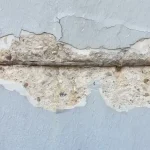
How to Tell if a Slab Issue Is Localized or Spreading Across the Area

Last updated: November 20, 2026
A slab issue that stays in one spot usually shows one cracked panel, one edge gap, or one low corner; a spreading localized slab movement pattern shows the same change in nearby panels, joints, or runs. In How to Tell if a Slab Issue Is Localized or Spreading Across the Area, start with the first visible change, then compare it with the neighboring panels. Talk to a qualified concrete or structural professional about your own situation, and use the checks below to sort one bad panel from movement across the area.
Start with the part of the slab that first caught your eye
Picture this: you’re standing on a driveway section, patio section, or sidewalk run and one panel looks wrong, but the neighbor panels still seem fine. That first look matters, because pattern comparison is often the quickest way to sort a local problem from a wider one.
If the crack, trip edge, or gap is only in one concrete slab and the adjacent panels line up normally, the problem often stays local. If the same direction of tilt, joint opening, or height change repeats across multiple neighboring panels, the pattern is less likely to be isolated. That difference is the whole game.
Use a simple rule: one odd panel is a clue, three matching panels is a pattern. Not a diagnosis. The border between those two is what the rest of the checks settle.
Key Takeaways
- A single damaged panel can stay local even when it looks ugly.
- Repeated changes across adjacent panels point toward broader movement.
- Joints, gaps, and panel edges tell you more than the crack alone.
- Comparing neighbors is often more useful than staring at the worst spot.
What should I check first on the slab?
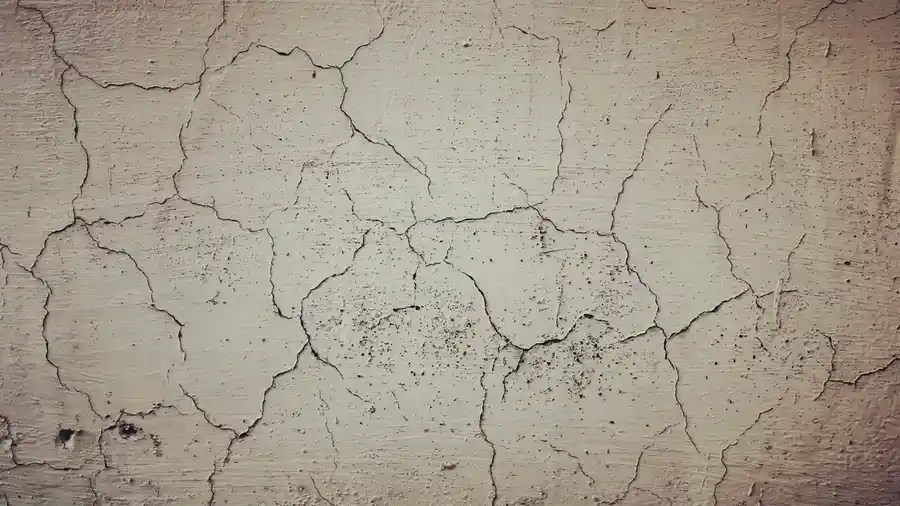
You should check the nearest neighboring panels first, because adjacent panel checks show whether the movement is confined or shared. Start at the damaged panel and move outward one panel at a time across the driveway section, patio section, or sidewalk run.
Look for three things: the same kind of crack, the same direction of tilt, and the same joint behavior. A 1/8-inch gap at one joint means less than a 1/2-inch gap at the next joint only if the pattern stays consistent. If every nearby panel has a similar gap or edge lift, the issue may be spreading.
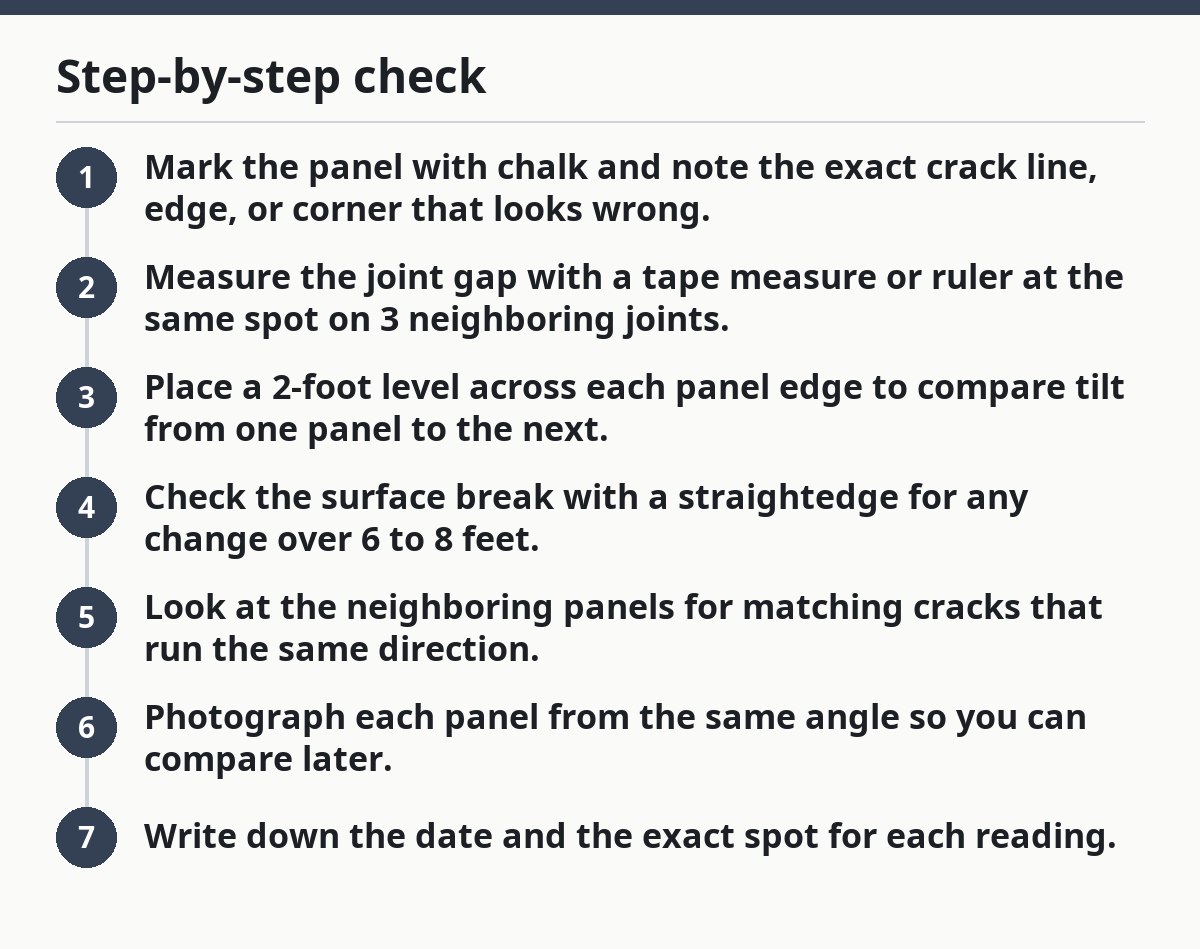
Step-by-step check
- Mark the panel with chalk and note the exact crack line, edge, or corner that looks wrong.
- Measure the joint gap with a tape measure or ruler at the same spot on 3 neighboring joints.
- Place a 2-foot level across each panel edge to compare tilt from one panel to the next.
- Check the surface break with a straightedge for any change over 6 to 8 feet.
- Look at the neighboring panels for matching cracks that run the same direction.
- Photograph each panel from the same angle so you can compare later.
- Write down the date and the exact spot for each reading.
If the measurements stay flat across the neighboring panels, that leans local. If the numbers drift in the same direction across 2 or more panels, the movement is less likely to be isolated.
How can I tell if movement is spreading?
You can tell movement is spreading when the change repeats in a line, not just at one point. Progress mapping means recording the same feature in the same spots over time so you can see whether the area is changing.
Picture this: you check the driveway section today, then again after a heavy rain, then again 2 to 4 weeks later. If the crack opens more, the gap widens, or the neighboring panel starts showing the same tilt, that is a spread pattern worth taking seriously.
Make your map simple. Use chalk marks, a notebook, and photos taken from the same place each time. The goal is to see whether the problem is holding still or moving.
- Mark the same crack ends.
- Measure the same joint points.
- Stand in the same camera spot.
- Compare the same panel edges.
If the bad spot grows by itself but the neighbors stay unchanged, the issue may still be localized. If the border of the problem creeps outward, even slowly, the pattern is spreading across the area.
What boundary clues point to one local failure?
Boundary clues point to one local failure when the problem stops at a clear edge. A common sign is that the slab issue affects a single patio section but does not continue into the next sidewalk run or driveway section.
The best clue is usually a change in pattern at a seam, curb, wall, or joint. If one side of a joint shows movement and the other side does not, that boundary may be containing the problem. If the same crack line crosses the boundary into the next panel, the issue is more likely part of a larger field problem.
Look for these edge signs:
- A crack that ends cleanly at a joint.
- A height change that does not repeat beyond the next panel.
- A gap that is wide at one end and normal at the other.
- A single low corner with normal neighboring panels.
A local boundary is not proof. It is a strong hint. If the boundary clue matches stable neighboring panels, that supports an isolated read. If the boundary clue disappears and the same pattern keeps going, the problem is probably broader.
Which signs mean the issue is bigger than one panel?
The issue is bigger than one panel when the same movement shows up in several panels, not just the worst one. A spread pattern usually shows repeated joint opening, a row of matching cracks, or a line of panels that all tilt the same way.
Picture this: you place a straightedge across a sidewalk run and find the low point is not just one panel. The next panel also dips, and the one after that follows the same line. That is not a one-off blemish. It is a pattern across the area.
Watch for these group signs:
- Cracks that repeat in nearby panels.
- Gaps that stay similar over multiple joints.
- A long row with the same edge drop.
- A wider area that keeps shifting in the same direction.
- A change that shows up after rain, then again later.
This matters because a local patch and a spreading support problem do not behave the same way. One panel can fail on its own. Several matching panels usually mean the support beneath them is changing too.
When should I stop treating it as a local slab issue?
You should stop treating it as a local slab issue when the pattern crosses panel lines, keeps changing, or affects more than one run of concrete. If you are not sure, consult a qualified concrete or structural professional, because a broader support problem can be easy to miss from the surface alone. On a health-adjacent topic like this, that means moving past casual monitoring and getting qualified help to look at the support beneath the slab.
More than 2 neighboring panels change: the problem is no longer confined to one spot — get a structural or concrete professional to inspect the area.
The same crack pattern repeats across a run: repeated spacing points to a shared cause — stop assuming one panel can be patched in isolation.
Measurements change over time: growth means active movement — keep the photos, but bring the record to a professional.
The issue crosses a joint, curb, or threshold: a boundary is no longer holding the problem in place — the wider area needs a closer look.
The surface changes after rain or thaw: moisture-related movement often affects a broader zone — track it, then get advice on the next step.
A local issue can be managed with a spot check. A spreading one needs a broader diagnosis. That is the line.
What mistakes make a spread look local?
A spread looks local when the reader checks only the worst spot and ignores the neighbors. That mistake hides pattern, and pattern is what tells you whether the slab issue is isolated or shared.
Another common error is measuring once. A single reading tells you where the slab is today, not whether it is moving. A 1/4-inch difference can mean little by itself, but it matters if the same difference appears on the next panel and the next.
Common mistakes and what they cost:
- Only photographing the crack: you miss the neighboring panels and lose the pattern.
- Measuring from different spots: the numbers won’t compare cleanly.
- Ignoring the joints: joint behavior often shows spread before the center of the panel does.
- Waiting months to recheck: you lose the chance to see whether the change is active.
- Assuming one repair fixes all: a patch on one panel won’t address a wider movement field.
The better move is boring: same spot, same tool, same angle, same date format. That is how a local problem stays local on paper, or how a spreading one shows itself.
How long should tracking take before the pattern is clear?
Tracking should take a few checks over several weeks, not one afternoon. A 2-to-4-week comparison is often enough to show whether a slab issue is holding steady or changing, especially if weather changes during that time.
Picture this: you mark the panel today, then check it after rain, then again after the ground dries. If nothing changes across the same joints and neighboring panels, that supports a local read. If the low area expands or the cracks extend, the spread pattern becomes clearer.
Use this simple sequence:
- Day 1: mark and measure.
- After the next rain: repeat the same points.
- 2 to 4 weeks later: repeat again.
- Compare the three sets side by side.
If the same numbers stay the same, the issue may be contained. If the measurements drift, stop calling it a one-panel problem.
For broader background on slab settlement patterns, the hub guide on Concrete slab settlement diagnosis for New York homes can help you place your notes in context. For general guidance on when surface changes can signal a structural problem, see the American Concrete Institute’s resources at https://www.concrete.org and the U.S. Department of Housing and Urban Development at https://www.hud.gov.
Is one bad spot usually isolated?
One bad spot is often isolated, but not always. A single crack, gap, or low corner can stay local if the neighboring panels remain stable and the same pattern does not repeat nearby.
The catch is that one bad spot can also be the first visible sign of a wider problem. Check the adjacent panels, the joints, and the same line of concrete before you call it contained.
How can I tell if movement is spreading?
Movement is spreading when the same change shows up in more than one panel or when the measurements keep changing over time. Repeated crack direction, repeating edge drop, and widening joint gaps are the main clues.
A simple map helps most here. If the same measurement worsens at each check, the problem is not staying put.
What pattern suggests a wider support problem?
A wider support problem is suggested by a line of panels that all show the same tilt, gap, or drop. That repeated pattern means the support under more than one slab panel may be changing.
The pattern matters more than the single worst spot. One panel can fail on its own. Several in a row usually point to something broader beneath the surface.
Drafted with AI; not yet reviewed by a person.