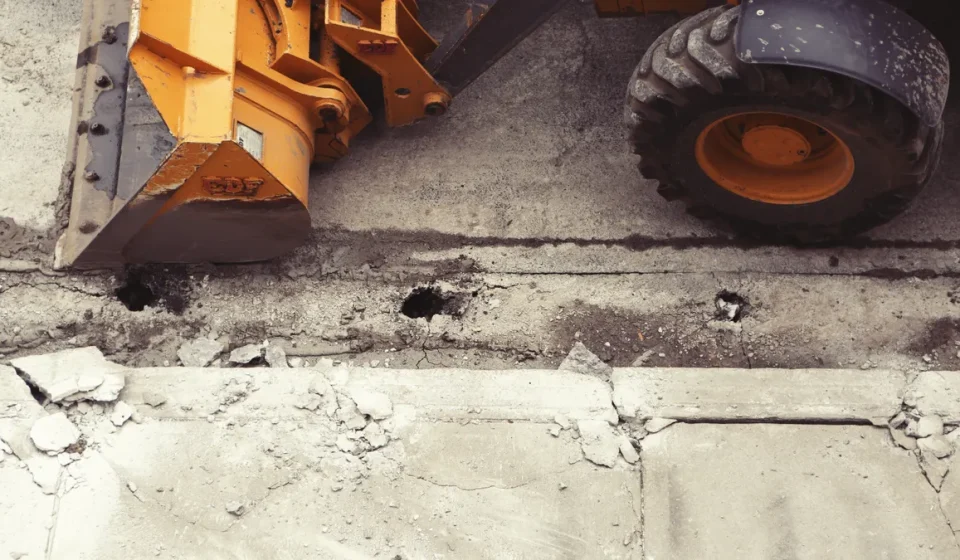
Can You Lift a Garage Floor Slab Without Replacing It?

Last updated: October 24, 2026
Key Takeaways
- A repair can work when settlement is limited, the slab is mostly intact, and the door still has clearance.
- Repair is most likely when the slab, subgrade, and garage layout do not create new problems.
- Foam injection or mudjacking can raise a sound slab when enough concrete remains to support the lift.
- A poor lift can crack the slab again, misalign the garage door, or leave the floor worse than before.
Yes, a garage floor slab can often be lifted without replacing it, but only if the concrete is still sound and the settlement is the problem—not widespread breakup, crumbling edges, or a failed base. For a garage floor slab, the real question is not “can it move?”; it is “is there enough intact concrete, enough access, and enough support to lift it successfully?” In a garage floor slab repair, the answer often depends on whether a contractor can correct settlement without creating a drainage or door problem. Consult a qualified concrete repair professional before deciding. For general guidance, see the American Concrete Institute’s resources on slab repair and the Concrete Network’s foundation repair overviews.
When lifting a garage floor slab makes sense
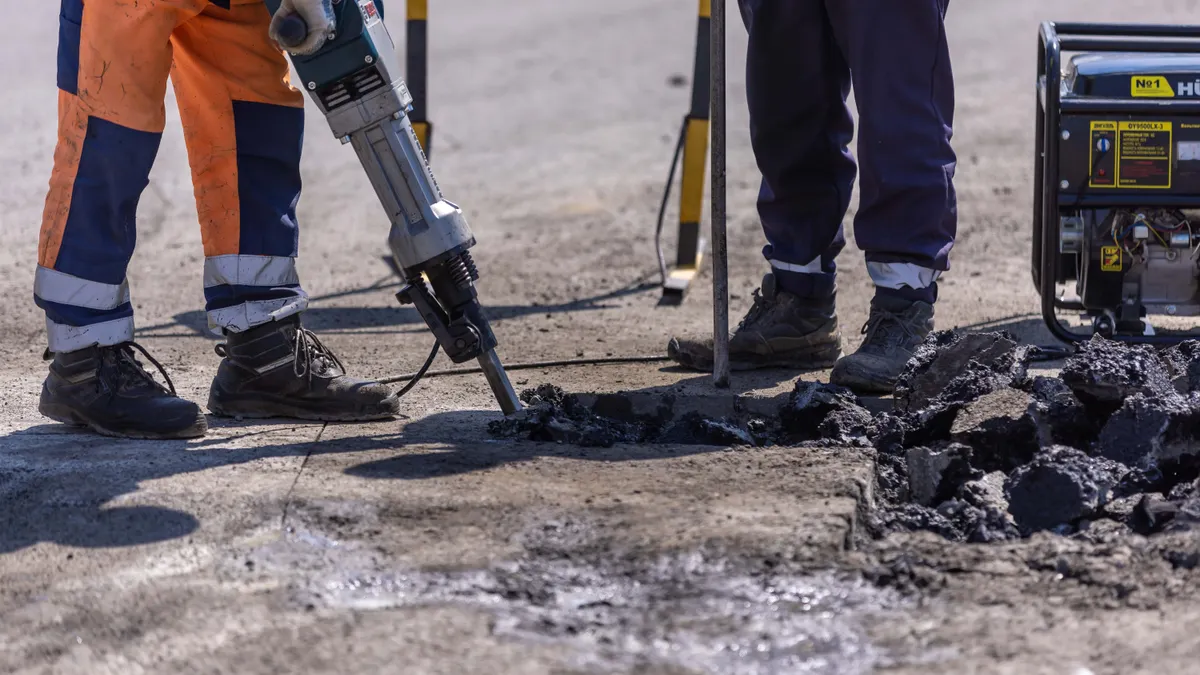
Lifting makes sense when the slab has settled in one area, the surface is still mostly intact, and the garage door still has usable clearance after the floor moved. A slab with isolated low spots, mild cracking, or a dropped corner near the door opening is often a candidate for concrete leveling instead of full replacement. If the concrete has turned into loose pieces, lifting will not put it back together.
The job is usually considered when the garage floor slab has:
- A predictable settlement pattern, such as one side sinking 1/2 inch to a few inches while the rest stays stable
- Clean cracks that have not shattered the slab into separate islands
- Enough room for foam injection or mudjacking access points around the perimeter or through the slab
- No major structural conflict with floor drains, thickened edges, or embedded utilities
The garage door matters more than many people expect. If the slab dropped under the door line, the door may scrape, fail to seal, or sit unevenly on the weatherstrip. That problem is often fixable if the slab can be raised back close to its original height, but only if the door track, bottom seal, and threshold can still tolerate the movement.
A lifted slab is not the same as a fresh pour. It will still show the old cracks and old control joints. If the concrete surface is worn out, scaling badly, or heaved in several directions, replacement may be the cleaner answer. I would not treat lifting as the default for every garage. It is usually a repair for settlement, not a cure for poor concrete, and a structural contractor or foundation specialist should confirm that before work begins. For context, see the Concrete Network and the International Concrete Repair Institute.
For broader context on methods and use cases, the hub page on [concrete slab lifting methods and applications] should sit above this one.
How to decide if the slab is repairable
A garage floor slab is repairable when the slab, the subgrade, and the layout all allow a contractor to work without creating new problems. That means checking the crack pattern, the amount of movement, the garage door clearance, and what is buried under the floor before anyone drills.
Use this quick field check before you call for estimates:
- Measure the worst drop with a 4-foot level or a laser level. If the settlement is localized and the slab is still mostly level elsewhere, repair is more likely than replacement.
- Look at the cracks. Hairline cracks and a few straight cracks are one thing; shattered concrete, missing corners, or exposed aggregate across large areas point the other way.
- Open and close the garage door. If the door already drags, binds, or leaves a gap at one side, note that before any lift is planned.
- Check the perimeter for access. A contractor needs room to drill, inject, and patch, usually near edges, joints, or the affected section.
- Identify drains, heat lines, conduit, or plumbing. A slab that hides utility lines needs a more cautious plan.
- Compare the slab edge to the driveway. If the garage floor is lower than the approach, the lift may need to stop short of the original height to keep water from tracking inside.
A good repair candidate usually has one thing wrong: settlement. A poor candidate has several things wrong at once: movement, breakup, drainage issues, and a garage layout that leaves no access. That is why a contractor will often ask where the slab moved, how much it moved, and whether the door still clears.
If the concrete has pulled away from the walls in multiple spots, or the slab has already been patched over failed previous repairs, be cautious. More patches can hide a deeper base problem.
What methods can lift a garage floor slab?
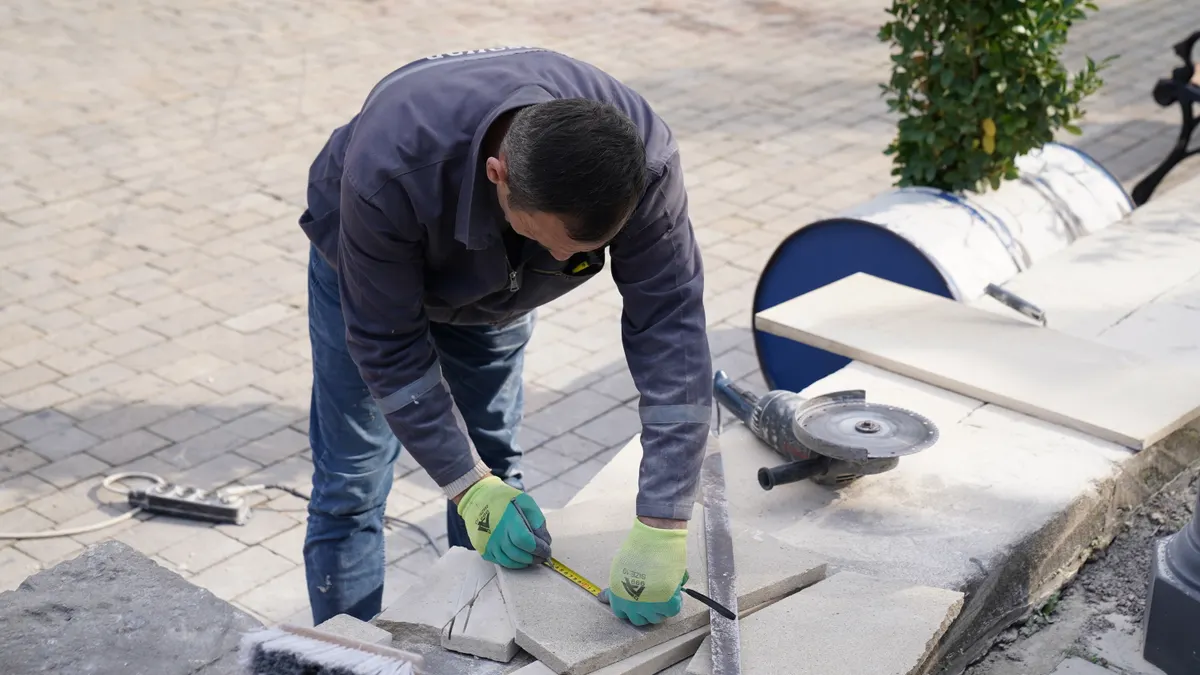
Concrete leveling with foam injection or mudjacking can lift a garage floor slab when there is enough intact concrete to support the work. Both methods fill voids under the slab, then raise it gradually, but they are not interchangeable in every garage. On many projects, the difference is cost, access, and the amount of correction needed.
Foam injection uses small drilled access points and expanding polyurethane foam. It needs less hole size and usually less cleanup, which helps in a tight garage with limited access. It also works well where the contractor wants finer control near a garage door threshold or a short interior bay. Mudjacking uses a heavier slurry pumped under the slab through larger holes. It can be a fit when the slab has a broad void and the access is simple, but it needs more room for equipment and leaves larger patch points.
Here is the practical difference for a garage:
- Foam injection: smaller holes, less mess, better for cramped access, but not the answer if the slab is badly broken.
- Mudjacking: larger holes, heavier material, often useful for heavier settlement, but it can be harder to manage around finishes and tight clearances.
Neither method can fix a slab that has failed structurally across its full width. If the garage floor has multiple disconnected pieces, severe edge loss, or a base that keeps washing out, lifting may only buy time.
A contractor may also choose to stop the lift slightly below adjacent surfaces if the garage door sweep, threshold, or drainage slope would be compromised by a full return to original height. That judgment matters. A slab that is “level” in the abstract can still be wrong for the garage if the door will no longer close cleanly or water will drain inside.
The right method depends less on the label and more on access, slab condition, and the amount of correction needed.
How contractors actually access a garage slab
Contractors usually access a garage slab by drilling through the concrete at selected points, often near the settled area, joints, or edges where the material can be lifted in a controlled way. That access choice is shaped by the garage layout, the door opening, and the location of control joints.
A simple repair often follows this sequence:
- Map the low area with a level or laser so the contractor knows where the slab has dropped and by how much.
- Mark access points where drilling will not interfere with control joints, door hardware, or visible finish lines.
- Drill 5/8-inch to 1-inch holes for foam injection, or larger holes for mudjacking, depending on the method chosen.
- Pump material beneath the slab in small increments so the slab rises evenly instead of rocking.
- Watch the garage door line, the control joints, and the perimeter gap as the slab comes up.
- Patch the holes and check that the door still clears and latches.
This is where garage-specific constraints matter. A door opening can trap the repair if the slab is lifted too far at the front and the bottom edge of the door no longer meets the floor correctly. A side-mounted track can also limit how much the edge of the slab can rise before the door hardware feels out of alignment.
Utility lines matter just as much. In some garages, drain lines, electrical conduit, or radiant heat tubing run close to the slab edge or through the floor. A contractor should not drill blind into a slab with unknown contents. If there is any chance of embedded utilities, the safer move is to identify them before work starts.
The best access plan is the one that leaves the garage usable after the repair, not just lifted on paper.
What can go wrong if the slab is lifted the wrong way
A bad lift can crack the garage floor slab further, throw the garage door out of alignment, or leave the floor uneven enough that the problem is worse than before. The most common mistake is chasing the original elevation without checking whether the rest of the garage can live with it.
Common errors and their costs:
- Lifting too fast: the slab can rock or fracture at an old crack, which creates a new repair area.
- Ignoring a weak base: the slab may sink again if the soil below keeps moving or washing out.
- Drilling in the wrong place: control joints can open more, and patches become more visible.
- Overraising the door line: the garage door may bind or lose a proper seal at the threshold.
- Skipping utility checks: a hidden line or tube can be damaged, turning a concrete repair into a utility repair.
A repair that looks flat but leaves the door scraping is not a good repair. A repair that looks clean but causes water to run into the garage is also a bad one. This is why the contractor has to think about drainage, not just height.
If a section has already broken apart, replacement may cost more upfront but save trouble later. That is the honest trade-off. Lifting is best when the slab is still one slab. It is a poor fit when the concrete has become a collection of moving pieces.
The first sign of a bad job is often visible at the edges: mismatched joints, a door gap that changed, or a hump that catches a tire.
What to ask a contractor before you hire one
A contractor should be able to explain how the garage floor slab will be lifted, where the access points will go, and what the plan is if the slab does not respond evenly. If the answer is vague, the repair is probably under-scoped.
Ask these questions before you sign anything:
- Will this be foam injection or mudjacking, and why is that method better for my garage?
- How will you check for utility lines before drilling?
- What height are you aiming for at the garage door?
- Will you lift to match the existing driveway or stop short for drainage?
- How will you handle control joints and cracks after the lift?
- What happens if part of the slab cannot be raised safely?
You should also ask what the contractor expects from the subgrade. If the soil under the slab has been washed out, the contractor may need to stabilize voids rather than simply lift concrete. That is a different scope, and the price should reflect it.
A clear estimate usually names the affected area, the method, the access approach, and the finish work. It should also say whether the garage door threshold, floor slope, or existing cracks may limit the result. If the estimate promises a perfect slab on an old garage floor with obvious structural damage, that promise is too neat.
This is also the place to ask about timing. Smaller garage repairs are often a same-day or one-day job, but larger lifts or garages with difficult access can take longer. Drying and cure time for patch material may add more time before the floor is back in full use, so ask the contractor how many hours or days to plan for. For practical examples, see the [concrete slab lifting methods and applications] hub page.
The honest verdict on repair versus replacement
A garage floor slab can often be lifted without replacing it, but only when the slab is mostly intact, the settlement is localized, and the garage layout gives the contractor enough access to work cleanly. If the floor is broken up, badly deteriorated, or full of hidden complications, lifting becomes a temporary fix at best.
The best candidate for repair is a slab that has sunk, not a slab that has failed. That difference matters more than the size of the crack or the age of the concrete. A garage with good access, usable garage door clearance, and a repairable base is usually the right setting for concrete leveling. A garage with unstable soil, crumbling edges, or multiple structural problems is not. If you are deciding whether to lift or replace, a qualified concrete professional should review the slab before any drilling starts.
The decision is rarely about one magic method. It is about whether the slab still has enough life left to justify saving.
Can a garage floor be leveled?
Yes, a garage floor can often be leveled if the concrete is still structurally sound and the settlement is limited. The work is usually done with foam injection or mudjacking, depending on access and the size of the low area. If the slab is badly broken, hollow in many places, or already failing at the edges, leveling may not hold.
What causes a garage slab to sink?
A garage slab usually sinks because the support under it moves, compresses, or washes away. Poor compaction, voids under the slab, water intrusion, and seasonal soil movement are common causes. In garages, the area near the door and perimeter often shows the problem first because those edges take more stress and are easier for water to affect.
How do contractors access a garage slab?
Contractors usually access a garage slab by drilling small or medium holes through the concrete and injecting material beneath it. The exact placement depends on the low spot, the control joints, and whether the garage door, utilities, or slab edge limit where drilling can happen. Good access planning keeps the repair controlled and reduces the chance of damage.
Drafted with AI; not yet reviewed by a person.