Questions to Ask Before Hiring a Slab Lifting Company in Minneapolis–St. Paul

Last updated: September 10, 2026
Key Takeaways
- A small sidewalk lift may take less than 1 day.
- Before you hire, ask the questions ask before hiring slab lifting company about Minneapolis–St. Paul frost movement and drainage around your property.
- No single company is always the right fit; compare diagnosis, method, and warranty.
- If a contractor cannot answer those three things, keep looking.
The questions ask before hiring slab lifting company in Minneapolis–St. Paul should center on the cause, the method, and what happens if the slab shifts again after one freeze-thaw cycle. Clear answers beat polished sales talk. Thin answers? Walk away.
What should I ask before hiring a slab lifting company?
Ask how they will diagnose the cause, what material they will use, whether the job needs permits, and what warranty applies to the lifted section. Unsure about the paperwork? Consult a professional and check Minnesota consumer guidance before signing anything. Those questions help you compare a slab lifting company without relying on slogans.
In the Twin Cities, I’d want straight talk about Minneapolis clay, St. Paul’s older neighborhoods, and low spots near surface runoff. A sunken garage apron in Nokomis is not the same job as a settled sidewalk in Roseville or a driveway panel in Bloomington. Around here, poor drainage and frost movement matter as much as the slab itself, so the questions ask before hiring slab lifting company should stay local and specific.
Before you book, ask:
- What caused the settlement?
- Will you use polyurethane foam, mudjacking slurry, or recommend full replacement?
- How many injection points will you drill, and where?
- Will you seal the joints after lifting?
- How do you handle voids under the slab?
- What is excluded from the warranty?
A good company should answer with specifics, not slogans. If the reply is “we lift all concrete” or “it will be fine,” that is not enough for a metro area that sees hard freezes and spring saturation every year. That kind of answer is smoke in a windstorm. The questions ask before hiring slab lifting company are meant to expose that difference early.
How much does slab lifting cost in Minneapolis–St. Paul?
Most slab lifting jobs in Minneapolis–St. Paul are priced by the square foot, the number of voids, and how far the slab has settled; a small driveway or walkway repair usually costs less than a large garage floor or commercial pad. For a general reference, U.S. consumer guides and concrete repair resources note that project size, access, and repair method are the main cost drivers. I’d expect the quote to shift with access, slab thickness, and whether the contractor has to work around utilities, pavers, or landscaping.
Here is a practical local pricing guide to ask against when you compare bids:
| Service type | Typical local price range | What changes the price |
|---|---|---|
| Small sidewalk panel | $250–$600 | Access, number of slabs, trip hazards |
| Driveway section | $500–$1,500 | Thickness, settlement depth, void size |
| Garage apron or entrance slab | $700–$1,800 | Rebar, frost damage, joint repair |
| Patio or porch slab | $600–$2,000 | Size, steps, attached stoops |
| Larger commercial flatwork | $1,500+ | Load needs, equipment access, schedule |
Those ranges are only a ballpark. Still, they help you spot a strange bid. If one estimate comes in far below the rest, ask what is missing. Sometimes it is sealing. Sometimes cleanup. Sometimes the warranty. And sometimes it’s the whole point.
A slab lifting company in Edina, St. Louis Park, Maple Grove, or Woodbury may charge more if the site is tight, the concrete is heavily settled, or the company has to bring more hose length and crew time. I’d be cautious with any quote that is fuzzy about square footage or gives only one number without explaining the scope. That is where the questions ask before hiring slab lifting company can save money.
How does Minneapolis soil and weather affect the job?
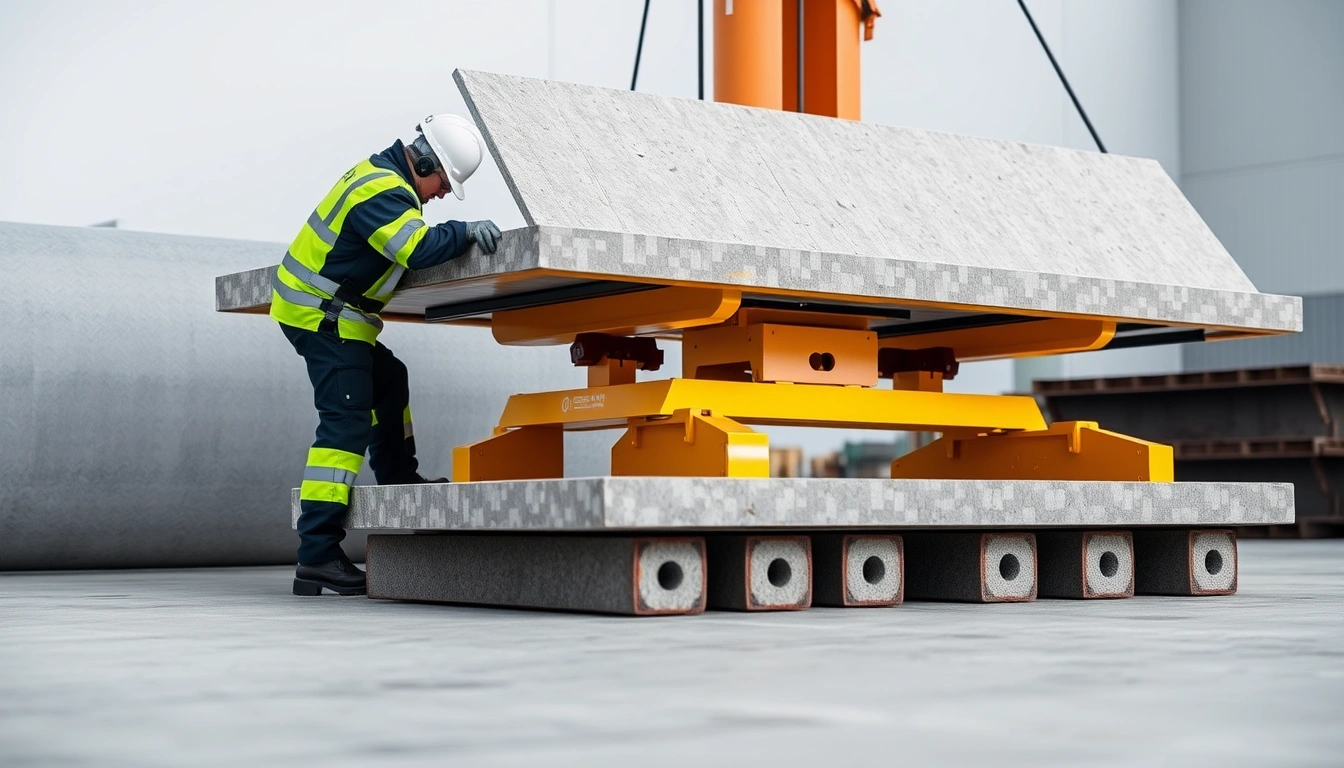
Clay soil, freeze-thaw cycles, and spring runoff turn drainage into part of the repair, not a side note. In this metro, concrete often sinks because water moves under the slab, washes out fines, and then winter frost expands the problem. The Minnesota Department of Transportation and local extension resources both emphasize drainage and frost as major factors in pavement movement.
So the real question is not only “Can you lift it?” It is “Will it stay lifted through a January thaw and a wet April?”
Ask the company how it handles these local conditions:
- Clay-heavy subgrades: Ask whether they will fill voids, compact weak spots, or recommend replacing sections that have lost support.
- Freeze-thaw movement: Ask if they seal joints and cracks after lifting so water does not keep getting in.
- Poor drainage: Ask whether downspouts, grading, or runoff near the slab need to be fixed first.
- Older neighborhoods: In places like St. Paul’s Highland Park, Merriam Park, and parts of Minneapolis near older utilities, ask if the slab is close to buried lines or patched utility work.
A contractor who knows the area should talk about the cause, not just the symptom. If the slab sits beside a garage, a retaining wall, or a downspout discharge, the lift may hold only if the water problem gets addressed too. Fair trade-off, honestly. Slab lifting is repair work, not sorcery, and the questions ask before hiring slab lifting company should keep the focus there.
How do I vet a slab lifting contractor in Minnesota?
I would verify licensing, insurance, method, and written scope before I let anyone drill into my driveway or garage floor. Minnesota does not treat concrete lifting as a mystery trade, and a legitimate contractor should be comfortable showing proof of business registration, liability coverage, and workers’ compensation if they have employees. If you are unsure, consult a professional and check state licensing and consumer-protection resources before hiring.
Ask for these things in writing:
- The full company name and Minnesota business registration
- Proof of general liability insurance
- Workers’ compensation coverage, if applicable
- A written description of the lifting method
- The estimated number of drill holes and patch points
- A warranty in writing, not a verbal promise
If the contractor says permits are never needed, do not take that as a blanket answer. Some concrete work may not need a permit, but related work can trigger local rules if it affects drainage, a sidewalk in the right-of-way, or structural elements. For Minneapolis, St. Paul, or a suburb like Eden Prairie, ask whether the slab touches public walk, a curb cut, or an area controlled by the city.
I also want the company to know the limits of its own method. Polyurethane foam lifting is fast and clean, but it is not the right answer for every slab. Mudjacking can suit some heavier slabs, but it usually needs larger holes and more material. Full replacement may be the better choice if the concrete is badly cracked, broken, or undersupported for a long stretch. Different tool, different fix. The questions ask before hiring slab lifting company should include method, not just price.
For licensing and contractor checks, I would rely on the Minnesota Department of Labor and Industry and the Minnesota Attorney General’s consumer guidance page on home improvement contracts. Those are the kinds of sources that matter when a job involves money, property, and a written promise.
What should the written estimate include?
The estimate should spell out the area to be lifted, the method, the repair limits, the cleanup, and the warranty terms in plain English. If the quote is only a total number, it is too thin for a job that can fail because of hidden voids or water.
A solid written estimate in the Twin Cities should include:
- Exact slab location, such as driveway panel, garage apron, sidewalk section, or patio corner
- Approximate square footage or linear feet
- Whether the company will seal cracks or joints after lifting
- Whether they patch drill holes and match the finish as closely as possible
- Whether they guarantee re-leveling for 1 year, 2 years, or some other term
- What conditions void the warranty, such as new drainage problems or vehicle overloads
The estimate should also explain timing. A small sidewalk lift may take less than 1 day. A larger driveway or garage job may take several hours and require curing time before heavy use. Polyurethane foam can often be ready faster than older methods, but I would still ask when I can walk on it, drive on it, or park on it. That is another part of the questions ask before hiring slab lifting company.
If the contractor cannot say how they will protect nearby landscaping, brick edging, or paver borders, that is another warning sign. In towns like Coon Rapids, White Bear Lake, Prior Lake, and Plymouth, I’d also ask how they handle cleanup on narrow lots and shared drives. The job should leave the site usable, not scattered with slurry, dust, or open holes.
When is the best time of year to schedule slab lifting here?
Late spring through early fall is usually the easiest window, and frozen ground is the hardest. In the Minneapolis–St. Paul area, March can still be messy, April often brings saturated ground, and winter work is possible but more weather-sensitive.
Timing matters because soil moisture changes how a slab behaves. If the ground is very wet, the contractor may get a good lift but still be dealing with unstable support. If the ground is frozen, access and injection conditions can become harder, especially on exposed driveways, corner lots, and shaded north-side panels.
I would ask:
- Can you lift in February, or do you prefer waiting for thaw?
- Do you charge more for weather delays?
- How long after lifting should I wait before sealing or coating nearby surfaces?
- If the slab keeps moving, what is the next step?
Here’s the blunt part: I would not choose slab lifting as the first fix for a slab that keeps sinking because roof runoff dumps beside it every storm. Fix the water first, then lift the slab. That holds true in Minneapolis alleys, St. Paul side yards, and suburban driveways alike. So the questions ask before hiring slab lifting company should always include drainage.
Red flags: quotes and answers that should worry you
A quote should worry me if it is unusually low, vague about the method, or unwilling to describe the cause of the settlement. Cheap work is not always bad work, but in concrete repair it often means less diagnosis and less follow-through.
Watch for these red flags:
- “No need to worry about why it sank.”
- “We can lift anything.”
- “Warranty covers everything.”
- “Permits are never an issue.”
- “We only need half the payment now” without a written scope
I also do not trust a company that refuses to say whether the slab has voids, loose base material, or drainage problems. In this region, those details matter because water, frost, and old fill can keep defeating the same panel again and again.
Another warning sign is a contractor who will not say when slab lifting is the wrong fix. If the concrete is shattered, the rebar is exposed, or the base has failed across a wide area, replacement may be the better call. Honest, even when it stings. The questions ask before hiring slab lifting company should surface that answer early.
Questions people ask before they book a slab lift
Do I need a free estimate?
Yes, and I’d expect one for most residential jobs in Minneapolis–St. Paul. A free estimate helps you compare scope, not just price.
Can I get same-day slab lifting?
Sometimes, yes, if the job is small and the schedule is open. Same-day service is more realistic for a sidewalk trip hazard or a small driveway section than for a large garage slab.
How long does slab lifting take?
Many jobs take a few hours, while larger or more complicated repairs can take most of a day. The size of the slab and the access matter more than the city.
Is emergency slab lifting available?
Sometimes it is, especially if a sunken slab creates a trip hazard at an entry, school route, or business walkway. Emergency service usually costs more and may be limited by weather.
Should I call a slab lifting company or a concrete replacement contractor first?
Call the slab lifting company first if the slab is intact but sunk. Call for replacement if the slab is broken apart, badly heaved, or structurally compromised.
Final checklist before you hire
Ask for the cause, the method, the written warranty, and the total scope before you sign anything. If the company can explain how it will handle Minneapolis clay, St. Paul frost movement, and drainage around your property, you are asking the right questions. The questions ask before hiring slab lifting company are most useful when they stay specific.
I would feel comfortable hiring a contractor in this market only if they could answer these without hesitation:
- What caused the settlement?
- What will you do if the slab moves again?
- What is included in the price?
- What is excluded from the warranty?
- When can I use the slab again?
That is the whole decision. If the answers are clear, local, and specific, the company is probably worth a call. If they are slippery, generic, or rushed, keep your money in your pocket and ask the next one.