Last updated: October 21, 2026
Key Takeaways
- Frozen ground can make slab lifting in New York less predictable and harder to complete well.
- Winter slab lifting is possible, but cold conditions usually narrow the method and slow the job.
- A repair done during a freeze may miss later movement if the soil below stays wet or uneven.
- Moisture and temperature both matter because frozen soil can expand and thawed soil can weaken.
In New York winter, frozen ground can throw slab lifting off balance. Can Frozen Ground Affect Slab Lifting in New York? comes down to soil, moisture, and thaw cycles beneath a concrete slab. One cold snap can change the whole picture. This mix can alter how a slab behaves, how repair materials perform, and when the lift should be scheduled.
Frozen ground and slab lifting in New York homes
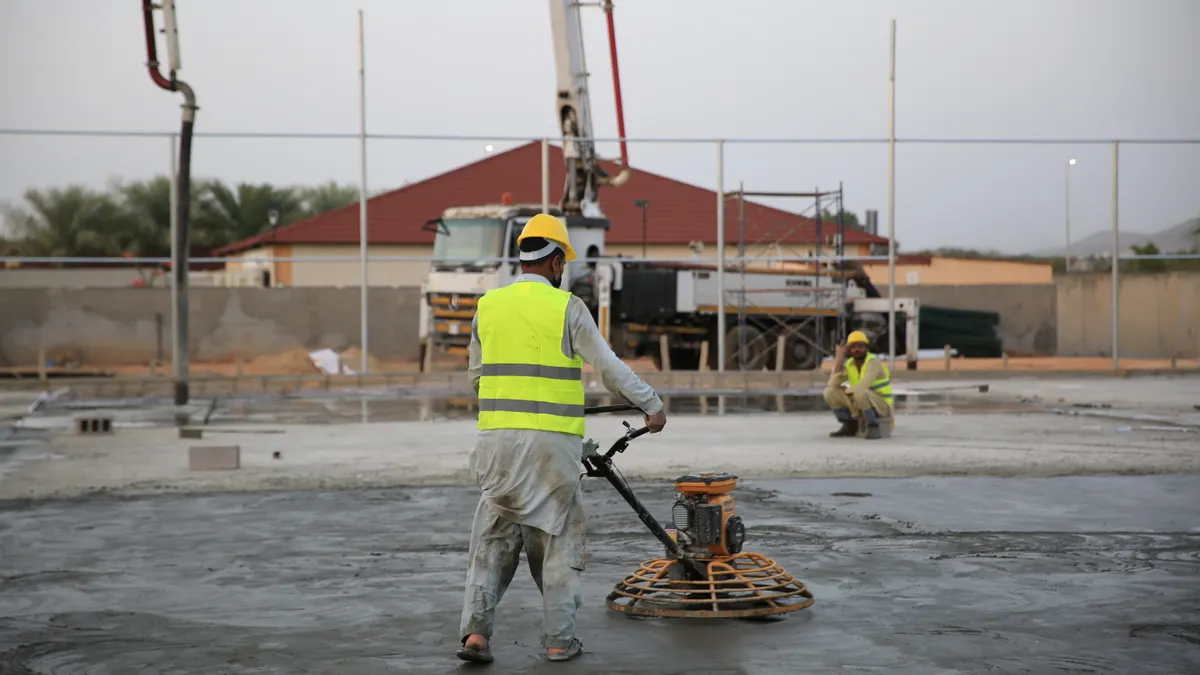
Frozen ground changes slab lifting conditions in New York homes by making the soil beneath a concrete slab harder to predict and harder to work with. When the top layer is frozen, a crew may not be able to get reliable access to the slab edge, drill points, or soil voids, especially on narrow side yards, tight Brooklyn lots, or older Westchester and Long Island homes where access is already limited.
The real problem is not just cold weather. Frozen soil can hide loose fill, trap ground moisture below the slab, and then release that moisture during a thaw. Afterward, the slab can move again if the underlying condition is still active. Slab lifting is meant to restore support, not wrestle a freeze-thaw cycle into submission.
This is why frozen ground under a concrete slab matters most in places that see repeated winter swings, such as Buffalo, Syracuse, Albany, Rochester, and the lower Hudson Valley. In those areas, a job that looks straightforward in October can become less predictable in January. The USDA Natural Resources Conservation Service explains that frost changes soil structure and moisture, which is why winter conditions can affect repair work.
Can slab lifting be done in winter in New York?
Yes, slab lifting can sometimes be done in winter in New York, but cold ground often narrows the methods, slows access, and makes timing more selective. The answer depends on how frozen the soil is, whether the slab edge is reachable, and whether the repair method needs drilling, foam injection, or grout placement that performs best above a certain temperature.
For many New York homes, winter work is possible when the slab is inside a garage, basement walkout, enclosed porch, or other space that is not fully exposed to snow and ice. Outdoor jobs are tougher when the ground is frozen solid for several inches, when snow cover blocks the work area, or when water is pooling and refreezing near the slab.
A winter lift is not automatically wrong. It just needs a contractor who understands cold-weather scheduling and can tell the difference between a cosmetic issue and a structural movement problem. If the slab is actively dropping after rain, or if a garage slab is creating trip hazards, waiting months may be the worse choice. If the slab is stable and the repair is elective, many crews will prefer a milder window.
One honest limitation: winter work is not the right fit for every property. A slab surrounded by frozen landscaping, buried utilities, or no clear equipment access may be better postponed until the site thaws enough for safe, clean work. ACI and the Portland Cement Association both note that placement and repair conditions matter to performance.
How New York thaw cycles change the job
Thaw cycles can make slab lifting in New York more complicated because frozen ground does not stay frozen all season, and that repeated freeze-thaw movement can reopen voids below a concrete slab. A repair done while the upper layer is still locked up may solve one problem but miss the next one if the soil below is still soft, wet, or uneven.
New York winters often bring this pattern: freeze, partial thaw, rain, refreeze. That cycle pushes ground moisture in and out of the soil profile. In clay-heavy or poorly draining areas, the result can be heaving, settlement, or a slab that seems stable for a short period and then shifts again in March or April.
This is one reason timing matters. If the slab movement is tied to seasonal moisture and thaw, a contractor may want to see the site after a freeze has broken or after surface water has had time to drain. That does not mean every repair must wait for spring. It means the repair plan should match the soil condition, not the calendar alone.
A useful rule of thumb for a New York homeowner: if the slab movement appears only after hard freezes and recedes during thaws, the ground beneath it is part of the story. That makes the repair more about drainage, soil behavior, and support than about a single lift. ACI standards and the Portland Cement Association are both widely used references for concrete repair guidance.
Why ground moisture matters as much as temperature
Ground moisture matters as much as temperature because wet soil expands when it freezes and weakens when it thaws, and both changes can affect the slab’s support. A frozen surface can look firm while the soil underneath remains wet enough to shift once temperatures rise above freezing.
This is especially relevant in New York homes built on mixed fill, old landscaping, or compacted soils that do not drain well. After snowmelt, rain, or ice dam runoff, water can move under a slab and create a void. If that void refreezes, the slab may sit unevenly for a while and then drop or rock when the thaw comes.
That is why a lift alone is not always the whole fix. If the underlying cause is poor grading, missing drainage, downspout discharge near the slab, or saturated backfill, the repaired area can move again. A good contractor should talk about moisture management in the same conversation as lifting.
For readers comparing service options, this is also where local conditions matter. A slab over sandy Long Island soils behaves differently from one over heavier upstate soils or urban fill in Queens. The repair method may be similar, but the moisture pattern is not. The National Weather Service also tracks winter freeze and thaw patterns that shape those conditions.
Typical slab lifting timing and local cost factors
Slab lifting in New York is often scheduled around thaw windows, site access, and repair complexity, and those factors usually matter more than the season alone. Frozen ground can add labor time, delay a job, or change the method, especially when the slab sits near snow-covered walkways, tight side yards, or frost-hardened garden beds.
Here is a practical way to think about the job in local terms:
| Service variation in New York | What frozen ground can change | Typical local cost factor |
|---|---|---|
| Small residential slab lift | Access to edges and drill points | Usually lower than larger exterior work, but winter access can add difficulty |
| Garage or driveway panel lift | Snow removal, ice, and heavier loads | Often more complex because of vehicle use and larger concrete sections |
| Sidewalk or front-step leveling | Tight access and freeze-thaw exposure | Can be sensitive to weather and municipal trip-hazard concerns |
| Interior slab section | Less weather exposure, but still soil-dependent | More predictable if the area is heated or protected |
| Lift plus drainage correction | Requires extra diagnosis and site work | Costs more because it is more than a lift alone |
I am not giving a price range here because the page contract is about whether frozen ground affects slab lifting, not cost. The important point is that winter conditions can change the scope even when the slab itself looks unchanged.
If the work is in New York City, Nassau County, Suffolk County, Yonkers, White Plains, Albany, or nearby suburbs, the best estimate usually comes after the contractor sees whether the soil is frozen, saturated, or both. A cold site can look simple from the street and still require more labor once the edges are opened.
How to tell if winter conditions are making the slab worse
Winter conditions are probably affecting the slab if the movement gets worse after freezes, if you see new gaps after snowmelt, or if one side of the slab changes elevation after a thaw. A 1/4-inch lip may not sound dramatic, but it can be enough to create a trip hazard on a walkway or garage edge.
Look for these signs in New York homes:
- A slab that rises slightly during hard freeze periods and settles during thaws
- Hairline cracks that widen after several cold snaps
- Water pooling near the slab after snowmelt or rain
- Doors or thresholds that start rubbing after winter storms
- A hollow sound when the slab is tapped near the edge
These signs do not prove that frozen ground is the only cause, but they do show that seasonal soil movement is part of the problem. If the crack or gap is new after a storm, it is worth documenting with photos and dates before the next freeze-thaw cycle changes it again.
Outside and exposed to snowmelt, the slab can get beaten up fast. Winter is rough. That is not a reason to panic; it is a reason to get the condition assessed before the next thaw opens the same void again.
How I would time repairs in New York
I would time repairs for the first workable thaw window if the slab is moving, and I would wait for spring only if the slab is stable and the winter conditions make access unreliable. That is the most honest answer for New York because frozen ground can make a job both harder to perform and harder to evaluate.
A spring or fall repair often gives the clearest picture of ground moisture and post-thaw settlement. Soil that has gone through one full freeze-thaw cycle is easier to read than soil locked under midwinter frost. But a dangerous trip edge, a garage slab that threatens a vehicle approach, or a front walk with a clear height difference should not sit untouched for months.
A good contractor should be able to explain, in plain language, whether the site is:
- ready for repair now,
- better left until a thaw,
- or in need of drainage work before any lift makes sense.
This is the place to ask for a site visit in your part of New York, whether that is the city, Long Island, the Hudson Valley, or upstate towns served from the same route network. That local knowledge matters because soil, access, and winter exposure change from block to block.
For readers comparing this topic with the broader site-specific slab lifting scenarios in New York, this page answers the weather question: frozen ground can affect the lift, the timing, and the long-term result, but it does not automatically rule the work out.
What to ask before you schedule cold-weather slab lifting
Cold-weather slab lifting is worth scheduling only if the contractor can explain how they will handle frozen soil, thaw cycles, and moisture control on your specific property. If they cannot, the quote may be too generic for a New York winter job.
Ask these things directly:
- How will frozen ground change the method on my slab?
- Will you inspect after snow removal so the edge and joints are visible?
- Do you expect the thaw to change the result later?
- If the soil is still frozen, would you postpone the repair or adjust the plan?
- What drainage issues should be fixed before or after the lift?
A contractor who works in New York should be comfortable talking about local access issues, seasonal scheduling, and whether the slab is in a freeze-thaw-prone setting. If the answer is only “we can do it anytime,” that is too vague for a winter repair.
One more practical note: if the slab is part of a sidewalk or front approach in a municipality, there may be local permit or inspection steps involved. Rules vary by town and city, so it is wise to check with the local building department before scheduling work that affects a public path or curb area. For technical reference on concrete repair and placement conditions, the Portland Cement Association and ACI standards are useful starting points; for frost and seasonal soil behavior, the USDA Natural Resources Conservation Service explains how frost affects soil structure and moisture.
The bottom line for New York homeowners
Frozen ground can affect slab lifting in New York by changing access, soil behavior, moisture movement, and the best repair window. It does not make every winter repair impossible, but it does make the job more conditional than in warm weather.
If the slab is moving with the thaw, sitting over wet soil, or creating a hazard now, the work may still be worth doing in winter. If the site is locked in by frost and the slab is not worsening, waiting for a better thaw window may give a cleaner, more durable result.
Drafted with AI; not yet reviewed by a person.