









































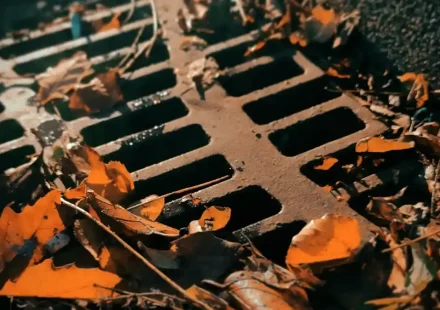
How to Tell Whether Leaf-Clogged Drainage Is Contributing to Slab
Leaf-clogged yard drainage system problems can contribute to slab settlement, and the quickest clue is water that sits near the slab edge after rain. This…

How to Plan Slab Lifting Around Pets and Kids
One clear access plan is usually enough to keep slab lifting around pets and kids manageable for a single workday. Household access planning is the part…

How Snowmelt and Spring Saturation Change Concrete Slab Movement
3 things usually drive it — snowmelt, spring saturation, and drainage that sends water back to the slab. Snowmelt and spring saturation can make a…

What Makes a Slab Lifting Job Take Longer Than Expected
A slab lifting job takes longer than expected when the project timeline factors get stacked up: poor access, wet weather, hidden damage, and extra repair…
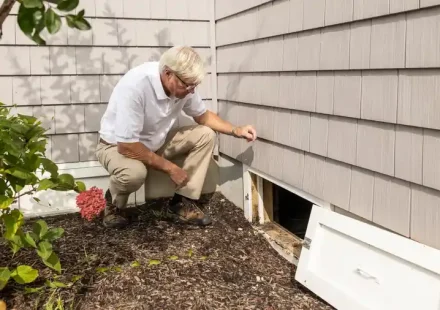
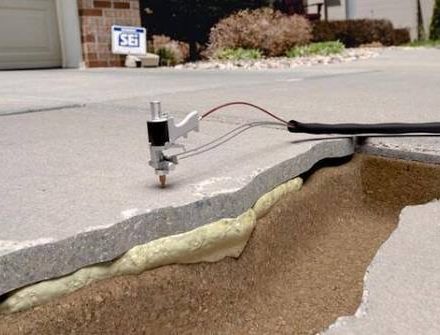
How to Spot Erosion at a Slab Edge Before the Void Gets Bigger
In this guide to How to Spot Erosion at a Slab Edge Before the Void Gets Bigger, watch for a wash line, loose soil, and a growing void at the perimeter…
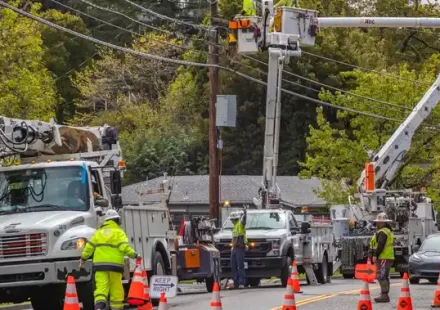
Utility Marking Before Slab Lifting
Utility marking should happen before any slab lifting job that could reach buried utility lines, because the locate tells the crew where the water line…

Repair Sequencing and Contractor Planning for Slab Lifting Projects
The right sequence is 7 steps — inspect, diagnose drainage, plan the lift, stabilize the base, lift in passes, repair cracks and joints, then seal and…

How to Inspect a Slab After a Storm for New Movement Signs
How to Inspect a Slab After a Storm for New Movement Signs: A quick post-storm check can take 10 minutes. Look for fresh cracks, new gaps, edge washout…
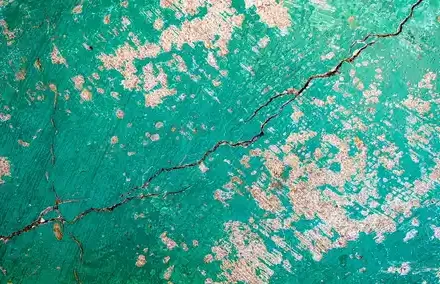
Seasonal Movement in New York Slabs: Causes and Prevention
In New York, slab movement is usually caused by water, frost, and soil change, and the safest first step is to control drainage before repairing the…
How Downspout Placement Affects a Concrete Slab
Downspout placement affects a concrete slab most when roof runoff lands beside the slab edge and keeps the soil wet; moving the discharge point even a few…