
































When Does a Sunken Slab Become a Problem for Doors and Windows?
When Does a Sunken Slab Become a Problem for Doors and Windows?: A sunken slab becomes a problem for doors and windows when the movement is enough to…
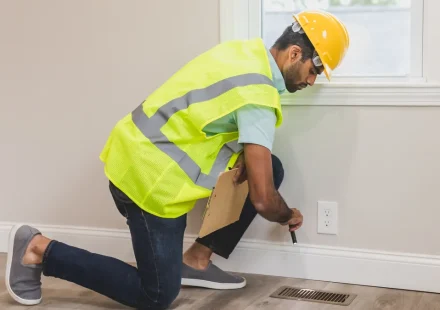
How to Check a Slab for Settlement Without Special Tools
How to Check a Slab for Settlement Without Using Special Tools: You can check a slab for settlement in about 10 to 20 minutes with no special tools, and a…
When Concrete Settlement Is Normal—and When It Isn’t
Concrete settlement is usually normal when it is small, early, and stable; it is more concerning when it keeps changing or affects function. If you are…
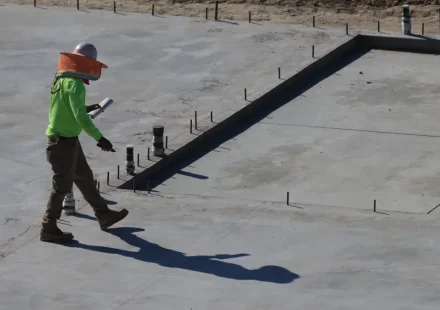
Why One Side of a Concrete Slab Sinks
Uneven concrete slab settlement is usually a subgrade problem: the soil under one edge or corner has lost support, so that side drops first. If your slab…
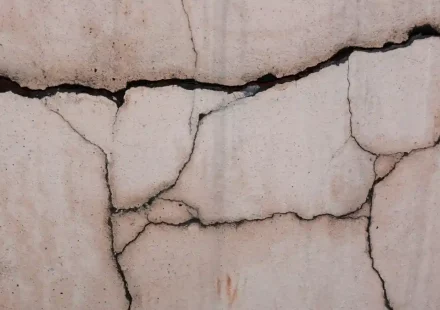
Signs, Safety, and Urgency of Slab Problems — The Complete Guide
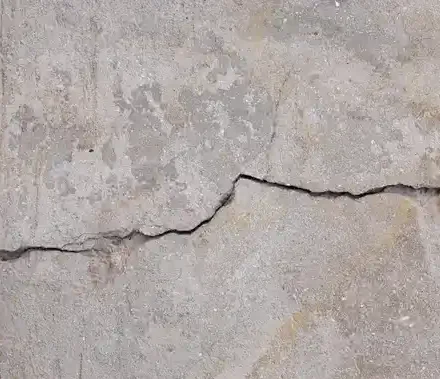
In the Complete Guide to Signs, safety, and urgency of slab problems — The Complete Guide, a crack with offset, water, or a changing floor should be…
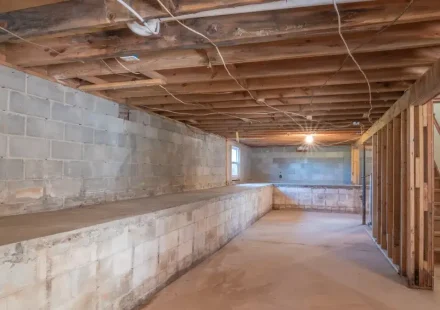
What Gaps Under Concrete Mean
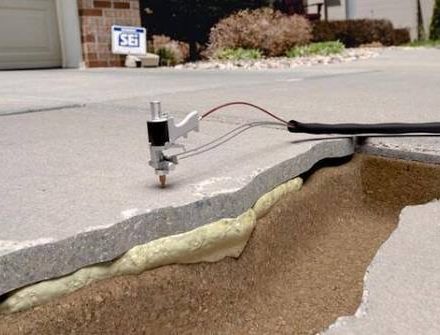
What Do Gaps Under Concrete Mean? Signs of Voids Beneath a Slab: gaps under concrete usually mean the slab has lost support, and in many cases the opening…
What New York Weather Conditions Make Concrete Settlement Worse?
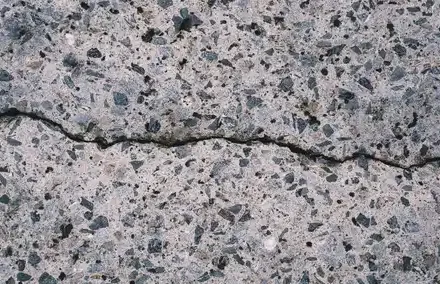
What New York Weather Conditions Make Concrete Settlement Worse?: Concrete settlement in New York gets worse when weather pushes water into the soil, then…

Site-Specific Slab Lifting in New York
In New York, the right slab lift is the one matched to the cause of movement; on the page below, the three main options are foam, mudjacking, and…
How to Prepare a New York Property for Slab Lifting Access
For How to Prepare a New York Property for Slab Lifting Access, clear the route, open the entry points, and confirm utility locations before the crew…
How to Tell Whether a Slab Can Be Lifted at All
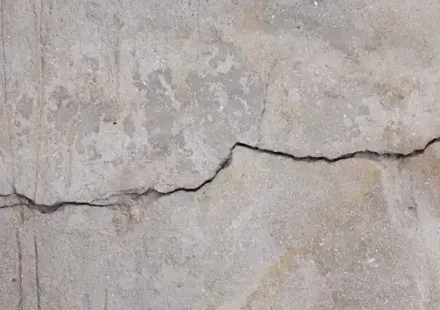
A concrete slab can often be lifted if the damage is local and the slab still behaves like one piece. For this guide, the topic is How to Tell Whether a…